Spring Seamless Pattern: A Designer's Real-World Review
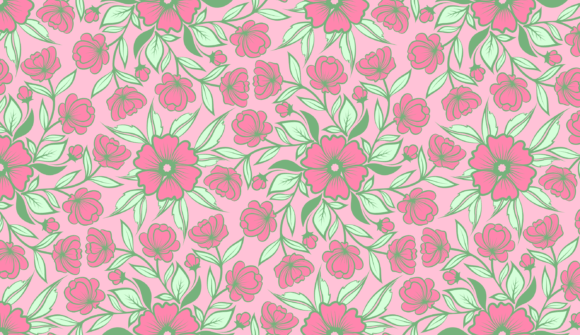
When I first opened the Spring Seamless Pattern, my immediate reaction was a sense of relief. In a sea of generic floral motifs and overly complex vector graphics, this design felt fresh yet grounded in practicality. As someone who spends hours testing embroidery files for client projects and personal craft businesses, I know that the difference between a good design and a great one often lies in how it translates from a digital screen to actual thread on fabric. This Patterns category entry, specifically categorized as Graphics, promises a unique combination of pink and green shades that mimic the awakening flora after winter. But does it hold up under the needle? Let's dive into what happens when you take this design out of the preview window and into a real production environment.
The First Impression: Mood and Visual Personality
The moment you view the Spring Seamless Pattern, it exudes a specific energy: optimism without being overwhelming. The color palette is carefully balanced, using soft pinks and vibrant greens to create an atmosphere of renewal. Unlike some seamless designs that feel repetitive or chaotic, this layout has a natural flow. It feels organic, like a garden path rather than a rigid grid. For an embroidery designer, this visual personality is crucial because it dictates the type of project the design will suit best. It doesn't scream "corporate logo"; instead, it whispers "handmade boutique." It suggests warmth, approachability, and a touch of elegance that works perfectly for items meant to be held, worn, or gifted.
This mood makes it an ideal candidate for seasonal collections. Whether you are preparing inventory for an Etsy shop or creating personalized gifts for friends, the design carries an inherent narrative of new beginnings. It is not just a graphic; it is a feeling. When I imagine stitching this onto a piece of fabric, I can almost see the texture of the petals emerging through the satin stitches. The elegance of the combination mentioned in the product description suggests a high level of detail that could elevate a simple tote bag into a statement accessory.
Real-Life Application: From Screen to Stitch
To truly evaluate this embroidery file, we need to look at how it performs in actual scenarios. Imagine you are a small business owner preparing a custom embroidered tote bag for a spring craft fair. You want something that stands out but doesn't require hours of tedious stitching. The Spring Seamless Pattern offers a seamless quality that allows for creative placement. Instead of being confined to a small chest pocket, this design can span the entire front panel of a canvas tote, creating a lush, continuous field of flowers.
Consider another scenario: a baby item. New parents often gravitate towards soft, pastel tones, and this design fits that aesthetic perfectly. If you were to stitch this onto a cotton muslin blanket or a onesie, the gentle curves of the floral elements would translate beautifully. The design avoids harsh angles, which means there is less risk of puckering on delicate fabrics compared to geometric patterns. However, the success of this embroidery project depends heavily on your choice of thread colors. The original pink and green shades might need adjustment if you are working with dark fabric backgrounds, where the vibrancy could get lost.
I also envision this pattern being used for holiday embroidery, particularly around Easter or Mother's Day. The theme of waking flowers aligns naturally with these occasions. For a commercial embroidery project, such as a line of kitchen towels or aprons, the seamless nature allows for a repeating motif that looks professional and cohesive. It transforms a standard utility item into a decorative piece that adds value to your brand. An Etsy seller could use this as a base for various products, from pillow covers to apron bibs, maintaining brand consistency across different merchandise.
Navigating Challenges: Where Caution is Key
While the design is promising, no single file is perfect for every situation. There are specific areas where you must exercise caution to ensure the finished product meets your standards. One major consideration is the hoop size. If the Spring Seamless Pattern contains intricate details or dense fill stitches, attempting to stitch it in a very small hoop might result in distorted geometry or missed stitches. Always check the recommended dimensions before hooping your fabric.
Textured fabrics present another hurdle. While the design looks elegant on smooth cotton or linen, applying it to a heavy denim or a rough burlap might obscure the finer details. The stitch density plays a critical role here; if the design relies on fine lines to define the flower shapes, a thick or nubby fabric could swallow those lines entirely. Similarly, stretchy fabrics like jersey knits require careful stabilizer selection. Without proper support, the tension of the satin stitch or fill stitch could cause the fabric to warp, ruining the seamless effect.
Detailed corners and tiny lettering are other potential pitfalls. If your project involves adding text alongside this pattern, ensure the font size is large enough to remain legible after stitching. Curved surfaces, such as caps or hats, can distort a seamless pattern if the design isn't specifically digitized for curvature. If you plan to use this on a cap, you may need to adjust the layout to accommodate the curve, otherwise, the flowers might look stretched or squashed. Furthermore, for products that need frequent washing, like aprons or children's clothing, verify that the stitch density is sufficient to withstand wear and tear without fraying.
Strategic Design Notes for Makers
Before you commit this machine embroidery design to your production run, there are several practical steps you should take. First and foremost, test the design on scrap fabric. This is non-negotiable. Use the same fabric and stabilizer you intend for the final product to see how the threads interact with the material. Check the thread color contrast; sometimes a design that looks stunning on a white background needs a completely different thread palette to pop against a navy or black fabric.
Review the stitch density closely. High-density areas can lead to fabric stiffness, which might be undesirable for a soft baby garment or a lightweight shirt. Inspect small details to ensure they aren't too fragile to stitch reliably. A good rule of thumb is to test the design in black and white mockups to see if the composition holds up without the distraction of color. This helps you judge the balance and flow of the graphics independently of the hue.
If you are selling finished items or digital products, confirm the licensing terms explicitly. Some digital embroidery files restrict commercial use or limit the number of units you can produce. Ensure you have the right permissions before listing your handmade product on a platform like Etsy or a boutique website. Additionally, compare light and dark fabric backgrounds during your testing phase. The Spring Seamless Pattern might require underlay adjustments or different thread types depending on the base fabric to maintain its intended visual appeal.
Final Thoughts on Value and Trust
In the world of handmade goods, customer trust is built on quality and presentation. A well-executed embroidered patch or a beautifully stitched sweatshirt can turn a casual buyer into a loyal customer. The Spring Seamless Pattern has the potential to significantly boost the perceived value of your products. Its elegant combination of elements suggests a thoughtful design process, which resonates with buyers looking for authenticity.
However, the design itself is only half the equation. Your execution determines the outcome. By understanding the strengths and limitations of this pattern, you can avoid common pitfalls and deliver a professional result. Whether you are a hobbyist making a gift for a neighbor or a creative entrepreneur scaling your craft business, this design offers a versatile foundation. Just remember to respect the fabric, choose the right stabilizer, and always prioritize testing over speed. When done right, this pattern becomes more than just a decoration; it becomes a signature element of your work.