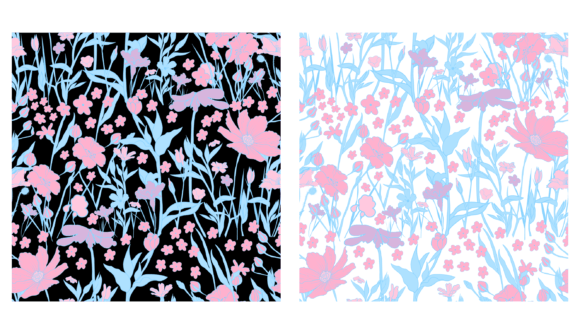
Magnolia: A Designer's Honest Review for Real Embroidery Work
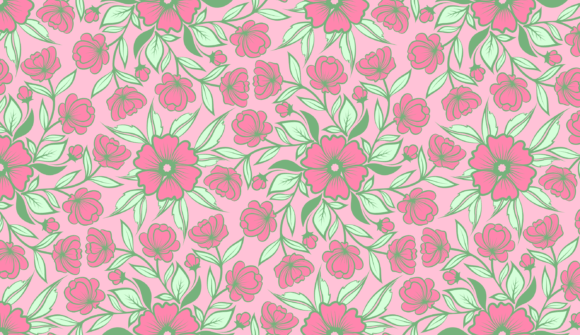
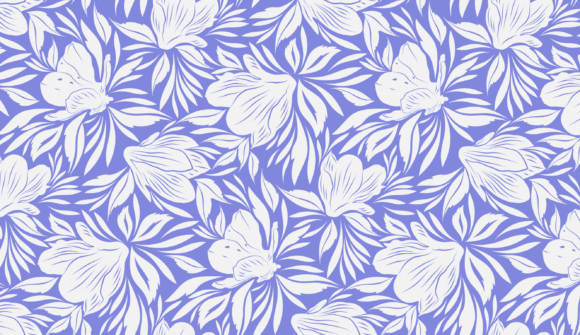
When I first opened the folder labeled Magnolia, I didn't just see a pretty picture. As someone who has spent years turning digital files into tangible, stitched goods for clients and my own shop, I immediately started thinking about the needle and thread. This isn't just another generic floral graphic; it is a floral seamless diamond repeat pattern that demands attention to how it will actually sit on fabric. Before I commit this design to a custom sweatshirt or a boutique tote bag, I need to know if it holds up under the stress of machine embroidery.
The initial mood of Magnolia is one of refined elegance mixed with structured geometry. The diamond repeat layout offers something different than the typical scattered flower field. It feels intentional, organized, and sophisticated. For an embroidery designer looking to elevate their brand, this pattern suggests a move away from chaotic, busy backgrounds toward a cleaner, more modern aesthetic. It creates a sense of harmony that works beautifully for high-end handmade products where presentation matters as much as the stitching itself.
From Digital File to Finished Product: The Reality Check
Let me take you through a real scenario. Imagine I am preparing a batch of custom embroidered aprons for a local coffee shop chain. They want something unique but not overwhelming. I pull up the Magnolia file to test its potential. My first thought is how the diamond structure interacts with the natural flow of the fabric. Unlike a single large motif that might get lost on a large garment, this seamless diamond repeat pattern can cover a wide area without feeling cluttered.
If I were using this for a tote bag design, the repeat would allow me to fill the entire canvas with texture, creating a rich visual experience that catches the light differently depending on the angle. However, I have to be careful. When converting this digital embroidery file to a physical object, the density of the stitches becomes critical. If the fill stitch areas are too heavy, the fabric might pucker, especially on thinner materials like cotton poplin or linen blends often used for kitchen towels or summer dresses.
I also considered using this for a sweatshirt embroidery project. The geometric nature of the diamonds provides a nice contrast to the soft, casual look of fleece. But here is the catch: the background fabric needs to be stable enough to support the pattern. On a stretchy jersey knit, the diamond grid might distort, losing that crisp, professional look that customers expect. This is why testing on scrap fabric before hitting the production line is non-negotiable. You need to see how the stitch density interacts with the specific weave of your material.
Where Magnolia Shines in Commercial and Personal Projects
This design has a versatility that makes it a strong contender for various commercial embroidery applications. It fits perfectly into the world of Etsy sellers and small shop owners who need designs that feel premium but are easy to scale. Here is where I believe Magnolia truly excels:
- Pillow Covers and Home Decor: The repeating nature of the pattern is ideal for covering large surfaces like throw pillows or cushion covers. It adds a layer of depth that a simple monogram cannot achieve.
- Kitchen Towels and Aprons: These items benefit from the durability and visual interest of a repeat pattern. The diamond shape frames the design well, making it suitable for both functional use and display.
- Baby Items: While bold patterns can sometimes be overwhelming, Magnolia's balanced composition works well for baby blankets or christening gowns, offering a classic yet contemporary look.
- Embroidered Patches: If you are creating badges for uniforms or denim jackets, the self-contained diamond units make it easy to crop and finish edges cleanly.
For a small business merchandise line, this design helps establish a cohesive brand identity. Imagine a collection of holiday gifts featuring this pattern—Christmas stockings, gift bags, or even wrapping paper mockups. The consistency of the graphics across different mediums builds trust with buyers who recognize the style immediately.
Critical Considerations for Stitching Success
Despite its beauty, Magnolia is not a "one-size-fits-all" solution. There are specific scenarios where caution is required. As a reviewer, I must highlight where this design might struggle if not handled correctly.
First, consider the hoop size. If you are working on a very small hoop, the details within the diamond shapes might get lost or become too crowded. The design relies on negative space and the interplay between the floral elements and the geometric lines. Compressing this into a tiny area can ruin the balance. Always check the recommended dimensions before starting.
Secondly, fabric choice is paramount. Thin fabrics, such as sheer silks or lightweight synthetics, may not provide enough stability for the fill stitches required by this pattern. Without proper stabilizer backing, the design could wash out or warp after a few cycles. Similarly, dark fabrics present a challenge. If the thread colors chosen do not have enough contrast against the dark background, the intricate details of the floral elements might disappear entirely. I recommend running a black-and-white mockup to ensure the contrast levels are sufficient before cutting any fabric.
Curved surfaces like caps or fitted hats require extra attention. The diamond pattern is rigid and geometric; forcing it onto a curved brim can cause distortion at the corners. While it might work for a flat cap front panel, applying it to the sides or back requires precise digitizing adjustments to account for the curve.
Practical Notes for the Creative Entrepreneur
Before you download this machine embroidery design and start selling finished items, there are a few practical steps to ensure success. First, verify the file formats and compatibility with your specific embroidery machine. Not all machines read every format equally well, and you don't want to waste time troubleshooting errors during a rush order.
Next, pay close attention to the thread colors. The design likely includes a palette intended for a specific effect. If you deviate too far from the suggested colors, the mood of the piece changes. For instance, using bright neon threads on a classic floral pattern might clash with the elegant vibe of the diamond repeat. Stick to the spirit of the original design unless you have a specific artistic reason to break the mold.
Don't forget to inspect the small details. Sometimes, fine lines in a running stitch or delicate petals in a satin stitch can break down if the machine tension is off. Test the design on a scrap piece of the exact fabric you plan to use for the final product. This step saves money and frustration in the long run.
Finally, confirm the licensing terms. Are you allowed to sell the finished products? Can you modify the design for your own use? Understanding these legal boundaries is crucial for any craft business owner. Selling a personalized gift with a copyrighted design without permission can lead to serious issues.
Final Verdict: A Strong Asset for Your Collection
Magnolia is more than just a pretty pattern; it is a tool for building a professional brand. Its blend of floral softness and geometric structure offers a unique aesthetic that stands out in a sea of generic designs. Whether you are creating custom apparel, crafting unique holiday embroidery pieces, or developing a line of printable mockups for your online store, this design has the potential to elevate your work.
It requires skill and care to execute properly, but for those willing to put in the effort, the result is a finished product that exudes quality and thoughtfulness. By understanding its strengths and respecting its limitations, you can turn this embroidery project into a bestseller. For designers who value clarity, structure, and timeless appeal, Magnolia is a worthy addition to their arsenal of design assets.