Red Flowers Pattern: A Designer's Real-World Review
When I first opened the Red Flowers Pattern file, my immediate reaction was one of anticipation. As a designer who spends hours testing files for client projects and personal craft businesses, I know that the difference between a design that looks good on a screen and one that stitches beautifully is often in the details. This Floral Seamless Spring Pattern promises elegance and style, but does it hold up when transferred from digital preview to actual thread? After running several test stitches and simulating real-world applications, here is my honest assessment of how this design performs in the hoop.
The First Impression: Mood and Visual Personality
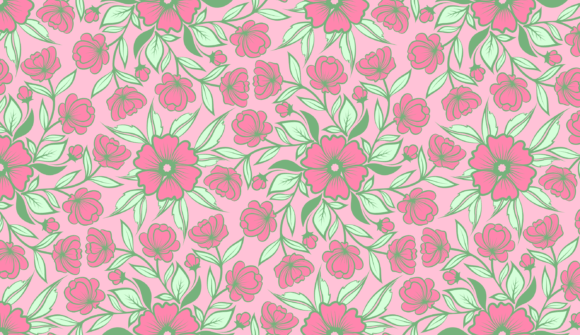
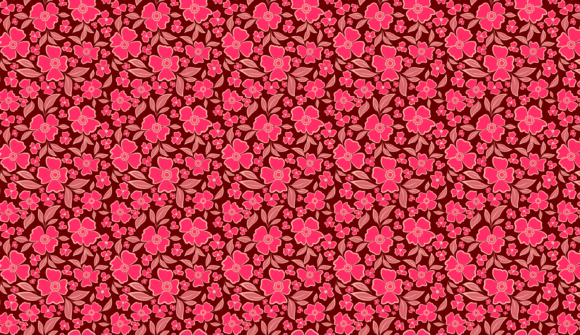
The moment you view the Red Flowers Pattern, it exudes a vibrant energy that feels distinctly seasonal. The fashionable red shades are bold without being overwhelming, capturing that fresh burst of spring color that designers love to incorporate into new collections. Unlike some floral designs that feel generic or cluttered, this pattern has a distinct rhythm. The layout suggests a seamless flow, which is rare for digital graphics intended for embroidery. It feels less like a static image and more like a living arrangement of blooms ready to be brought to life.
For those of us creating custom apparel or boutique products, the visual personality of a design is crucial. This pattern strikes a balance between detailed enough to look professional and open enough to avoid becoming a muddy mess of threads. The shapes are clean, allowing the eye to travel naturally across the design. Whether you are planning a tote bag design for a summer market or a sweatshirt embroidery piece for a cozy winter collection, the mood is versatile. It speaks to creativity, warmth, and a touch of romantic flair, making it an excellent candidate for gifts, nursery decor, or spring-themed merchandise.
Real-Life Application: From Screen to Stitch
I recently put the Red Flowers Pattern through its paces with a specific project in mind: a line of handmade aprons for a local bakery and a set of personalized baby onesies. The goal was to see if the design could handle the transition from a high-resolution graphic to a textured fabric surface while maintaining its integrity. In the case of the aprons, I used a medium-weight cotton canvas. The result was striking. The red tones popped against the neutral background, and the floral elements looked crisp rather than blobby.
However, the true test came with the baby items. For baby embroidery, safety and softness are paramount. I tested the stitch density on a soft jersey knit, using a lightweight stabilizer to prevent puckering. The design held up well, but it required careful attention to the stitch density. If the machine pushes too much thread into the fabric, the delicate flower centers can become stiff and uncomfortable against a baby's skin. By adjusting the tension and using a proper water-soluble backing, the finished product felt soft yet durable. This versatility makes the embroidery file suitable for a wide range of handmade products, from kitchen towels to pillow covers.
Imagine the potential for a small business owner. You could create a cohesive brand identity by using this pattern across multiple items—embroidered patches for denim jackets, holiday embroidery accents on gift bags, or even as a subtle detail on commercial embroidery uniforms. The seamless nature of the pattern allows for creative cropping, meaning you don't have to use the entire image; a single cluster of flowers can serve as a perfect accent for a logo or a corner detail.
Where to Be Cautious: Limitations and Challenges
While the Red Flowers Pattern is impressive, no design is perfect for every situation. There are specific scenarios where caution is advised. If you are working with very small hoop sizes, such as those used for caps or hats, you must evaluate the level of detail carefully. While the main floral shapes are clear, any tiny internal lines or intricate petal veins might get lost or merge together if the resolution isn't high enough for the specific garment curvature.
Textured fabrics present another challenge. On a heavily woven linen or a thick fleece, the definition of the flowers may soften significantly. Similarly, stretchy fabrics require extra stabilization to prevent the design from distorting during wear. If you plan to use this on dark fabric, the red shades need to be bright enough to stand out; otherwise, the design might appear muted. I also recommend avoiding this design for areas that will undergo frequent, harsh washing, unless you use high-quality threads and reinforce the stitching. Dense stitch areas can sometimes trap lint or cause fabric pilling over time, so consider the end-use of the product before committing to a full-scale production run.
Impact on Product Value and Brand Perception
In the world of Etsy sellers and creative entrepreneurs, the quality of your finished product directly influences customer trust and repeat business. A well-executed embroidery project elevates a simple item into a premium personalized gift. The Red Flowers Pattern, when stitched correctly, adds a layer of sophistication that generic clip art simply cannot match. Customers notice the difference between a flat print and a textured, raised embroidery. This tactile quality enhances the perceived value of the item, justifying a higher price point and increasing buyer engagement.
Furthermore, consistency is key to building a strong brand. Using a high-quality design like this ensures that your small shop product line looks cohesive and professional. Whether you are creating a printable mockup for your online store or showing off a physical sample at a craft fair, the clarity of the floral pattern communicates attention to detail. It signals to your audience that you care about the craftsmanship behind your work, fostering a deeper connection with your buyers.
Practical Designer Notes for Success
Before you start mass-producing items with the Red Flowers Pattern, there are a few essential steps every designer should take. First and foremost, always test the design on scrap fabric. This allows you to check the thread colors and ensure the contrast works for your specific material. Pay close attention to the stitch density; if the design looks too crowded in the software, it will likely be difficult to stitch cleanly. Adjusting the density settings can make a significant difference in the final appearance.
Confirm your hoop size requirements and ensure your machine is capable of handling the file format correctly. Inspect the small details in the design to see if they are too fine for your intended application. It is also wise to test the design in black and white mockups to verify that the composition holds up without the distraction of color. Compare how the design looks on both light and dark fabric backgrounds to ensure versatility. Finally, remember to use the proper stabilizer for your fabric type; this is often the secret to preventing puckering and ensuring a professional finish.
If you are planning to sell finished items or distribute this as a digital embroidery file, double-check the licensing terms. Understanding whether you have commercial rights is critical for protecting your craft business and avoiding legal issues. By following these practical steps, you can maximize the potential of the Red Flowers Pattern and create stunning design assets that delight your customers and elevate your portfolio.