Vintage Calligraphic Elements Review
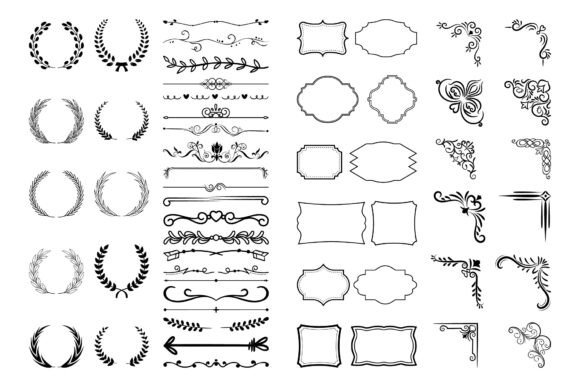
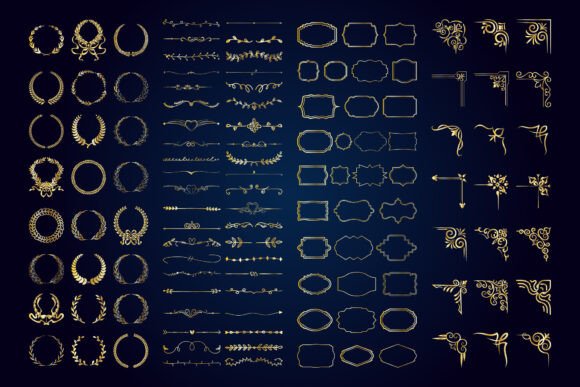
As a designer who has spent years stitching everything from delicate baby onesies to heavy-duty workwear, I know that the difference between a good product and a great one often lies in the details. Recently, I had the opportunity to evaluate Vintage Calligraphic Elements, a collection of decorative frames, flourish dividers, and borders intended for embroidery projects. My goal was simple: determine if this set truly delivers on its promise when moved from the digital screen to the fabric under the needle.
The first impression of Vintage Calligraphic Elements is one of timeless elegance. The design language speaks directly to those who appreciate the hand-drawn aesthetic of old manuscripts and classic stationery. Unlike modern geometric sets that feel rigid and cold, these swirls and scrolls possess a fluid, organic personality. They immediately evoke a sense of nostalgia and sophistication, making them perfect for brands or individuals looking to add a touch of vintage charm to their handmade goods.
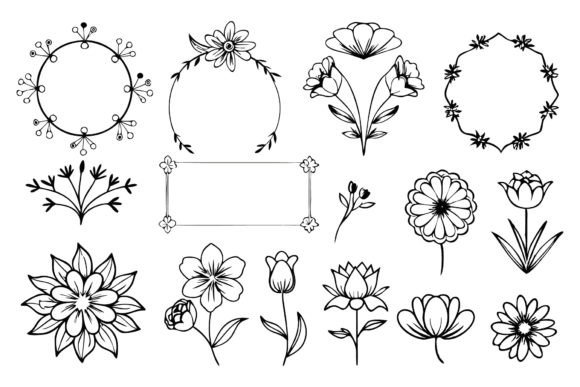
In my initial assessment, the visual weight of the design feels balanced. It is not so dense that it becomes overwhelming, nor is it so sparse that it disappears on larger garments. The inclusion of circle, square, and rectangular frames offers versatility that is rare in single-category graphics. For an Etsy seller or small business owner, this variety means you can create cohesive branding across different products without needing to purchase multiple separate files.
Real-World Application: The Custom Tote Bag Scenario
To test the practical value of Vintage Calligraphic Elements, I decided to simulate a real client project. Imagine a boutique owner launching a line of eco-friendly tote bags featuring quotes about reading and literature. This is where the design assets truly shine. The flourishes and decorative dividers could be used to frame a literary quote, creating a focal point that draws the eye immediately.
When I stitched a mock-up of a flourish divider onto a canvas tote bag, the result was striking. The satin stitch edges held up well against the textured weave of the canvas, providing a smooth contrast that made the design pop. The "sinks decorated with motifs" mentioned in the product description translate beautifully into thread, adding depth that flat printing simply cannot achieve. Customers browsing at a craft fair would likely pause to admire the tactile quality of the embroidery, increasing the perceived value of the item.
However, the success of this application depends heavily on execution. If the design were placed too close to the seam or folded over the edge of the bag, the intricate scrollwork might get distorted. The key here is respecting the negative space around the Vintage Calligraphic Elements. The design demands room to breathe, especially when used as a border or a frame.
Performance Across Different Fabric Types
One of the most critical aspects of any machine embroidery design is how it interacts with different fabrics. Vintage Calligraphic Elements performs exceptionally well on stable, medium-weight fabrics like cotton twill, denim, and linen. These materials provide the necessary foundation for the detailed corners and fine lines to maintain their shape.
For apparel decorators working on custom sweatshirts or hoodies, this set is a strong contender. The softness of fleece or French terry allows the stitches to settle comfortably, creating a premium look that justifies a higher price point for personalized gifts. I found that using a high-quality polyester thread in a contrasting color, such as cream on navy or gold on charcoal, enhances the vintage feel significantly.
Conversely, there are scenarios where caution is required. Stretchy knits, such as those found in athletic wear or thin jersey t-shirts, pose a challenge. Without proper stabilizer techniques, the tension of the embroidery can cause the fabric to pucker, ruining the delicate curves of the calligraphy. Similarly, dark fabrics require careful thread selection; if the contrast isn't sharp enough, the intricate details of the swirls may vanish into the background.
Navigating Potential Pitfalls
No design is without its limitations, and understanding where Vintage Calligraphic Elements might struggle is crucial for avoiding costly mistakes. Small hoop sizes present a significant hurdle. While the individual elements are beautiful, attempting to stitch the full rectangular frames or large circular borders in a 4x4 hoop will likely result in lost detail. The tiny connecting lines in the flourishes may break or merge, losing the definition that makes the design attractive.
Textured fabrics, such as bouclé or heavy corduroy, also demand attention. The uneven surface can interfere with the stitch density, causing the needle to skip or the thread to snag. In these cases, the design might need to be simplified or scaled down to ensure clarity. Furthermore, for products that require frequent washing, like kitchen towels or aprons, the stability of the stitches is paramount. If the fill stitch density is too low, the design may fray over time, diminishing the professional appearance of the finished product.
Curved surfaces, such as caps or hats, add another layer of complexity. While the design can be adapted for curved embroidery machines, the distortion inherent in wrapping a flat pattern around a sphere can stretch the delicate scrolls. It is essential to preview the design on a digital mockup of the specific hat style before committing to production.
Design Notes for the Professional Maker
Before incorporating Vintage Calligraphic Elements into your commercial inventory or personal projects, there are several technical steps every designer should take. First and foremost, always test the design on scrap fabric that matches your final material. This step reveals issues with thread tension, stabilizer choice, and fabric puckering that cannot be predicted by looking at the file alone.
Reviewing the stitch density is non-negotiable. High-density areas in the scrolls can lead to stiff spots on the fabric, which might be uncomfortable in wearable items like baby clothes or pillow covers. If the design feels too dense, consider adjusting the settings in your digitizing software or choosing a lighter stabilizer to support the fabric without adding bulk.
Thread color contrast plays a massive role in the final visual appeal. A monochromatic scheme might look elegant but risk hiding the details, while a bold contrast can make the design vibrant but potentially harsh. Experiment with black and white mockups to see how the shapes hold up without the distraction of color. Additionally, confirm whether the file format supports the specific features you need, such as applique designs or specific stitch types like running stitch versus satin stitch.
Finally, do not overlook the licensing terms. If you plan to sell finished items featuring Vintage Calligraphic Elements, you must verify that the license permits commercial use. Some digital embroidery files are restricted to personal use only, and violating these terms can lead to legal issues for your small shop. Ensure you have clear documentation regarding the rights to use these design assets in your business model.
Final Verdict on Visual Appeal and Value
Ultimately, Vintage Calligraphic Elements brings a level of sophistication that elevates any embroidery project. Whether used as a standalone motif on a baby blanket or as part of a complex layout for a wedding invitation card, the design commands attention. It fosters customer trust by signaling quality and care in the creation process.
For creative entrepreneurs, hobbyists, and Etsy sellers, this set offers a versatile toolkit for building a brand identity that feels both established and artisanal. The ability to create decorative frames and flourish dividers allows for endless customization, ensuring that each finished product feels unique and special. By approaching the design with the right preparation and respect for the medium, you can transform a simple digital file into a cherished keepsake.
If you are looking to expand your catalog of handmade products with designs that stand out, Vintage Calligraphic Elements is a worthy investment. Just remember to prioritize testing, stabilizer selection, and appropriate fabric choices to ensure the final result matches the beauty of the original design.