Beautiful Damask Antique Arabesque Review
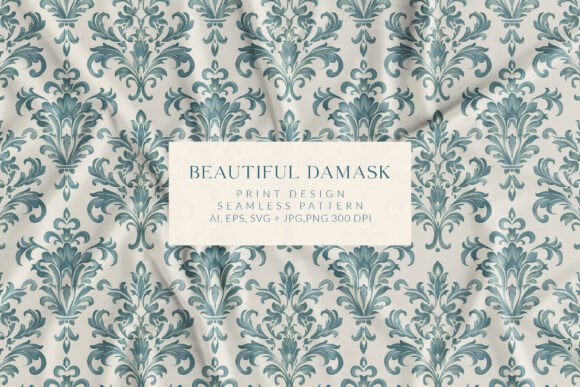
When I first opened the file for Beautiful Damask Antique Arabesque, I didn't just see a pattern; I saw a mood. As someone who has spent years reviewing embroidery designs for both personal craft projects and commercial boutique lines, my initial reaction is always about utility. Does this design solve a problem? Does it elevate a product? This particular piece immediately struck me as having that classic, timeless elegance often found in Mediterranean culture. It feels less like a trendy graphic and more like a heritage element that could anchor a collection of handmade goods.
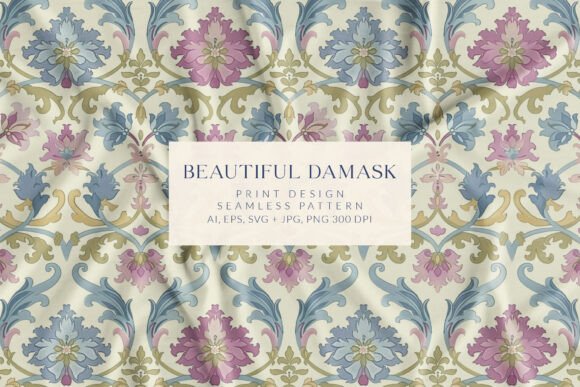
The visual personality of Beautiful Damask Antique Arabesque is sophisticated without being overwhelming. The intricate curves and traditional motifs suggest a level of craftsmanship that customers instantly recognize as high quality. For an Etsy seller or a small shop owner, this is exactly the kind of asset that can turn a basic tote bag into a statement piece. However, before you commit to running this through your machine for a client order, it is crucial to understand how these graphics translate from a vector screen to a stitched reality.
Real-World Application: From Screen to Stitch
Let's imagine a specific scenario. You are preparing for the upcoming holiday season, and you have a rush order for custom embroidered aprons intended for a local bakery chain. They want something that feels artisanal and warm. This is where Beautiful Damask Antique Arabesque shines. The seamless nature of the pattern allows it to frame the apron perfectly, perhaps bordering the pocket or creating a subtle background texture behind a monogram. The antique feel adds a layer of perceived value that makes the finished product look expensive, even if the base fabric is affordable cotton canvas.
I also see this design working beautifully on baby items. A nursery pillow cover or a soft blanket with this motif would offer a gender-neutral yet rich aesthetic. The vintage charm fits perfectly with current trends in nursery decor that favor organic shapes and muted tones over loud, modern prints. When stitching this onto a sweatshirt or a cap, the design needs to be balanced carefully. If placed too densely, it might lose definition, but used as a decorative accent on a patch or a sleeve cuff, it provides that "finished" look that separates hobbyist work from professional output.
Navigating Fabric and Texture Challenges
Not every surface is created equal, and knowing where Beautiful Damask Antique Arabesque should be used is just as important as knowing where it looks good. While the design is versatile, it demands respect for the material it lands on. If you are working with textured fabrics like bouclé or heavy denim, the fine details of the arabesque ornament might get lost in the weave. In these cases, the design works best when scaled up slightly or paired with bold thread colors that pop against the rougher texture.
Conversely, thin or stretchy fabrics require a strategic approach. Without proper stabilizer, the tension required for the fill stitches in this damask pattern could cause puckering, ruining the drape of a t-shirt or a delicate blouse. I strongly advise testing this design on scrap fabric first. Pay close attention to the stitch density; if the design is too dense for a lightweight jersey knit, it will become stiff and uncomfortable. For such applications, consider using a lighter underlay or adjusting the thread colors to create a softer visual effect rather than a heavy, blocky appearance.
Dark fabrics present another challenge. To make Beautiful Damask Antique Arabesque visible on black or navy material, you need to ensure there is enough contrast in your thread selection. Using white or metallic threads can create a stunning effect, but be prepared for the possibility that the satin stitch areas might not lay flat if the underlying fabric absorbs too much light. A test run in black and white mockups is a smart move here—it helps you visualize the contrast without getting distracted by color choices until you are ready to sew.
Design Integrity and Product Value
One of the most critical aspects of using any embroidery file is maintaining the integrity of the original art. Beautiful Damask Antique Arabesque relies on its symmetry and flow to create its beauty. If you distort the aspect ratio to fit a tiny hoop size, you risk breaking the rhythm of the pattern, making it look jagged and amateurish. This is particularly dangerous for products like hats or curved surfaces where the design must conform to a 3D shape without losing its structural logic.
For the creative entrepreneur, the choice of design directly impacts customer trust. A clean, well-executed damask pattern signals professionalism. It suggests that the maker cares about detail and aesthetics. When a buyer receives a personalized gift featuring this kind of ornamentation, they perceive it as thoughtful and curated. This emotional connection is what drives repeat business and positive reviews. Whether you are selling a digital product preview or a physical embroidered patch, the clarity of the design is your strongest marketing tool.
Practical Notes for the Embroidery Designer
Before you start stitching, there are several technical steps you must take to ensure success. First, check the licensing terms. Many designers assume that buying a digital file grants them unlimited rights to sell finished products, but this varies. Confirm whether Beautiful Damask Antique Arabesque allows for commercial use on merchandise you intend to sell.
Second, inspect the small details. Zoom in on the corners and the connecting points of the arabesque. Are there any stray nodes or overly tight angles that could cause thread breaks? If the design includes tiny lettering or very fine lines, ensure your hoop size is large enough to accommodate them without crowding. If the design is meant for a small area, you might need to simplify the fill stitches or reduce the density to prevent the fabric from becoming too rigid.
Thread color selection is paramount. Since this is a vintage printing pattern style, earth tones, creams, and muted golds often work best to capture the antique vibe. However, don't be afraid to experiment with contrasting colors for a modern twist. Just remember that high contrast can sometimes exaggerate imperfections in the stitch placement. Always review the design in a simulated environment before cutting your final fabric.
- Test on scrap: Always run a test on the same fabric you plan to use to check for puckering or distortion.
- Check stabilizer: Use a cut-away stabilizer for stability, especially on woven fabrics, to prevent the design from shifting.
- Verify dimensions: Ensure the design fits within your intended hoop size, leaving room for margins.
- Review density: Adjust stitch density if the design looks too heavy for the chosen material.
- Confirm licensing: Double-check the usage rights for commercial projects and digital product sales.
In conclusion, Beautiful Damask Antique Arabesque is a powerful addition to any designer's toolkit. It brings a sense of history and refinement to modern crafts, from custom apparel to boutique branding. By understanding its strengths and respecting its limitations regarding fabric and scale, you can transform a simple pattern into a standout feature of your next project. Whether you are a seasoned pro or a hobbyist looking to elevate your craft business, this design offers the potential to create truly memorable handmade products.