Review: Outline Floral Pattern for Real Embroidery Projects
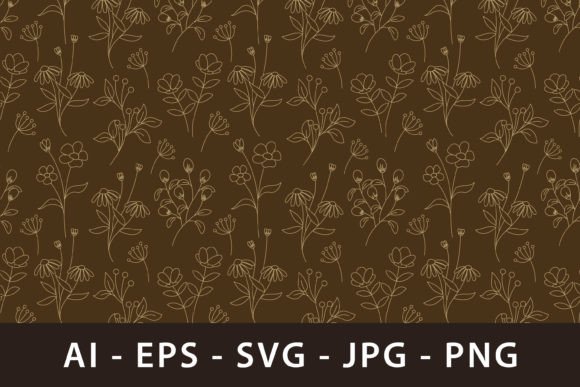
I have spent years reviewing machine embroidery designs, testing everything from intricate floral medallions to bold geometric logos. Most of the time, I am looking for stitch clarity and durability. However, when I first opened the files for the Outline Floral Pattern, my interest was piqued by its simplicity. It is a seamless pattern featuring abstract outlines of flowers and leaves in beige on a brown background. While it looks like a simple graphic at first glance, I wanted to know if it could stand up to the rigors of real-world stitching or if it would remain just another decorative element on a shelf.
As an experienced designer, I do not judge a design solely by how it looks on a screen. I judge it by how it translates to thread. The Outline Floral Pattern offers a unique mood—earthy, organic, and understated. It does not scream for attention; instead, it whispers. This makes it an excellent candidate for projects where you want a sophisticated look without overwhelming the fabric. But can it handle the wear and tear of a daily-use item? Let's walk through a real scenario to see how this design performs.
From Screen to Stitch: A Real-World Test
Imagine you are preparing a custom order for a boutique client who wants a line of artisanal kitchen towels. They need something that feels handmade but has a cohesive brand identity. You decide to use the Outline Floral Pattern as a border design. Because the description notes that the pattern is "simple to work with and highly customizable," I decided to test how it adapts to a running stitch versus a satin stitch.
The first thing I noticed was the visual weight of the beige outlines against the dark brown background. In the digital preview, the contrast is soft. However, when transferring this to actual fabric, the choice of thread color becomes critical. If you choose a beige thread that matches the outline exactly, the design might disappear on light fabrics. Conversely, using a contrasting thread on the dark brown background creates a striking, modern aesthetic. I found that the abstract nature of the flowers allows the design to stretch across a towel edge without feeling cluttered, making it perfect for a tote bag design or a large sweatshirt embroidery placement.
The seamless nature of the pattern is its strongest asset here. Unlike a single bouquet motif that requires precise centering, this pattern flows. For a small business owner selling handmade products, this saves hours of manual editing. You can easily adjust the size to fit different garments, from a tiny baby embroidery bib to a full-width apron. The fact that it is described as "fully edit" means you can break the pattern apart to create a scattered effect or keep it continuous for a border. This flexibility is rare in ready-to-stitch files.
Where This Design Shines
In my experience, the Outline Floral Pattern excels in specific categories of embroidery projects. Its clean lines make it ideal for items that require a professional finish without excessive texture. Here is where I recommend placing this design:
- Holiday Gifts and Personalized Items: The earthy tones fit perfectly with autumn or winter themes. It works beautifully on kitchen towels or pillow covers intended as wedding gifts. The abstract style ensures it remains timeless rather than trendy.
- Apparel Decorators: For custom apparel like denim jackets or canvas tote bags, the outline style reduces bulk. Heavy fill stitches can make stiff fabric uncomfortable, but a delicate outline maintains the drape of the material.
- Boutique Branding: If you are an Etsy seller or run a craft business, consistency is key. Using this pattern as a watermark or a subtle accent on tags and packaging mockups adds a layer of professionalism. It serves as a great digital product asset for creating printable mockups before you even cut the fabric.
- Nursery Decor: The gentle curves of the flowers are soothing. On a baby blanket or a onesie, the design avoids the harshness of solid blocks of color, offering a soft, dreamy look that parents love.
The design also lends itself well to commercial embroidery because it is less prone to showing minor imperfections in the stabilizer or tension settings compared to dense fill patterns. When customers receive a finished product, they notice the cleanliness of the lines, which builds trust in your brand.
When to Be Cautious
However, no design is perfect for every situation. As a reviewer, I must point out where the Outline Floral Pattern might struggle. The primary concern is stitch density and detail level. If you attempt to use this on a very small hoop size, such as for a cap logo or a tiny patch, the abstract details might get lost or merge together.
You should be careful when working with textured fabrics. If the base cloth has a heavy weave or a looped texture, the thin outlines may not register clearly. Similarly, on stretchy fabrics like jersey knit, the lack of substantial fill stitch might cause the design to pucker if you do not use a high-quality stabilizer. The design relies on the negative space between the lines, so on dark fabric, if your thread choice is too close in value to the background, the entire motif could vanish.
Another limitation is curved surfaces. While the pattern is flexible, the corners of the floral shapes might not lay flat on a curved hat brim unless you carefully manage the pull compensation. For products that need frequent washing, such as aprons or workwear, ensure that the file format supports the necessary stability. If the design uses too many jump stitches, the edges might fray over time. Always inspect small details before finalizing a large production run.
Practical Designer Notes for Success
To get the most out of the Outline Floral Pattern, I recommend following a strict workflow. First, always test the design on scrap fabric. Do not assume that the digital preview will translate 1:1 to thread. Check the stitch density and review the file in black and white mockups to ensure the contrast holds up. If you are planning to sell finished products, confirm the licensing terms regarding commercial use.
Pay close attention to the thread colors. Since the original description mentions beige outlines, you might be tempted to stick to that palette. However, experimenting with gold, cream, or even a deep olive green can completely change the vibe of the piece. For a patch application, consider adding a satin stitch border around the entire pattern to give it definition against the fabric.
If you are a small shop product creator, remember that the "highly customizable" aspect of this design is your biggest advantage. Use it to create variations for different seasons. Change the background color in your digital mockups to match holiday themes, or scale it down for a personalized gift tag. The versatility of the pattern allows it to serve as a foundational asset for your creative portfolio.
Finally, verify the hoop size requirements and ensure you are using the correct stabilizer for your fabric type. Whether you are working on a blanket or a pillow cover, the stability of the backing is just as important as the design itself. By treating this embroidery file with the same care as a custom vector illustration, you can elevate your handmade product quality significantly.
In conclusion, the Outline Floral Pattern is a versatile tool for any designer looking to add a touch of organic elegance to their work. It is not a flashy design meant to dominate a room, but rather a refined element that enhances the overall aesthetic of a project. With the right execution, it transforms from a simple graphic into a cherished part of a finished product that customers will love.