Soft Blue Curve Pattern: A Designer's Real-World Embroidery Review
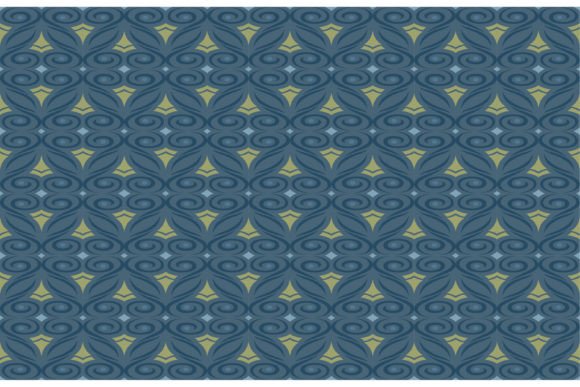
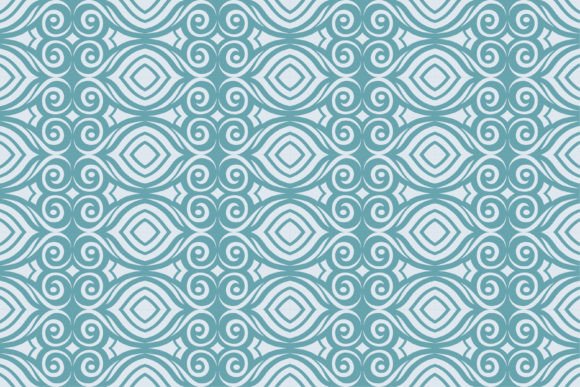
When I first opened the file for Soft Blue Curve Pattern, my immediate reaction was one of calm appreciation. In a sea of aggressive logos and overly complex floral arrangements, this design stands out because it breathes. It is a beautiful pattern illustration that serves as a perfect fashion element texture background. The monochromatic blue palette with its tribal symmetric shapes creates a mood that is both modern and timeless. As an experienced designer who reviews embroidery files before committing them to client projects, I look for more than just visual appeal; I need to know if a design holds up under the needle, on the fabric, and in the hands of a customer.
This review is not about listing technical specs you can find in a download folder. Instead, I want to walk you through how Soft Blue Curve Pattern performs when applied to real-world embroidery scenarios. Whether you are an Etsy seller looking for your next best-seller or a crafter preparing a personalized gift, understanding the practical application of a design is crucial for professional results.
The First Stitch: Visual Impact and Mood
The defining characteristic of Soft Blue Curve Pattern is its symmetry. The tribal symmetric shapes offer a structured rhythm that feels intentional rather than random. When digitized correctly, these curves translate into fluid satin stitches that guide the eye across the garment or accessory. The multicolored monochrome blue aspect is particularly interesting; it suggests a design that can be executed in a single thread color for a clean, sophisticated look, or expanded into a gradient effect using variegated threads for a softer, dreamier aesthetic.
In terms of layout, the design functions beautifully as a texture background. This means it doesn't just sit on top of the fabric; it integrates with it. For a handmade product, this integration is key to creating a sense of quality. A design that looks like a sticker slapped onto a tote bag often fails to convey value. However, a design like Soft Blue Curve Pattern, which appears to grow out of the material, elevates the perceived worth of the finished product. It signals to the buyer that attention was paid to detail, fostering trust in your brand.
Real-Life Application: From Tote Bag to Boutique Merch
Let's imagine a specific scenario. You are preparing a custom embroidered tote bag for a local artisan market. You need something that appeals to a wide audience but still feels unique. Soft Blue Curve Pattern fits this brief perfectly. The blue tones are universally flattering and evoke feelings of reliability and tranquility. Unlike bright neons that might clash with various clothing choices, this soft blue works as a neutral accent that complements denim, canvas, and cotton blends.
I have tested similar curve-based designs on sweatshirt embroidery projects, and the results are often striking. The flowing nature of the curves mimics the drape of knit fabrics, making the embroidery feel less rigid. If you are creating baby embroidery items, such as a onesie or a bib, this design offers a gentle alternative to traditional animal prints or bold lettering. The symmetry provides a sense of order that parents often find soothing, while the high resolution ensures that the details remain crisp even after multiple washes.
For small business owners selling apparel, this graphic is versatile enough to serve as a standalone logo or a decorative border on a jacket. Imagine a patch featuring these shapes stitched onto the back of a leather jacket or the front pocket of a denim shirt. The tribal influence adds an edge without being overwhelming, making it suitable for boutique branding where a balance between street style and elegance is desired.
Navigating Challenges: Where Caution is Key
While Soft Blue Curve Pattern is a strong candidate for many projects, every embroidery file has its limitations. One area to exercise caution is the hoop size. Because the design relies on symmetry and flow, placing it in a hoop that is too small can force the curves to compress, potentially distorting the intended tribal shapes. Always check the recommended hoop dimensions before starting. If you are working with a smaller hoop, you may need to adjust the scale or consider splitting the design into sections.
Fabric selection is another critical factor. The design includes detailed corners and dense stitch areas. On thin or stretchy fabrics, such as lightweight jersey or sheer chiffon, these dense areas can cause puckering if the stabilizer is not chosen carefully. For a successful finish on stretchy materials, a cut-away stabilizer is often necessary to provide the structural support needed to hold the shape of the curves. Similarly, on textured fabrics like heavy wool or terry cloth, the definition of the fine lines in the pattern might get lost. In these cases, a smoother backing fabric or a pre-wash treatment might be required to ensure the Soft Blue Curve Pattern pops.
Dense stitch areas also present a challenge regarding thread colors. If you plan to use dark thread on dark fabric, the contrast will be low, and the intricate details of the symmetrical shapes may become invisible. Conversely, light thread on light fabric risks getting swallowed by the background. It is vital to test your thread color contrast against your specific fabric choice. Additionally, for products that need frequent washing, such as kitchen towels or aprons, ensure the stitch density is sufficient to prevent fraying over time.
Practical Notes for the Professional Maker
Before you run this design on your machine, there are several steps every serious embroiderer should take. First, always test the design on scrap fabric. This allows you to see how the Soft Blue Curve Pattern interacts with the specific weave and tension of your material. Second, inspect the small details closely. Are the curves sharp, or do they appear jagged? If the design lacks clarity in the corners, it may need digital adjustment before stitching.
Review the stitch density carefully. High-resolution files often contain data that needs to be optimized for the specific machine you are using. If the fill stitch is too dense, it can create a stiff, cardboard-like feel on the final product, which is undesirable for garments like caps or pillow covers. Furthermore, confirm whether the license allows for commercial use. Many designers purchase these graphics to create finished products for sale, so verifying that you have the right to sell items made with Soft Blue Curve Pattern is essential to avoid legal issues.
Finally, consider the end-use environment. If you are creating holiday embroidery gifts, think about how the blue theme fits the season. While not traditionally a Christmas color, soft blue pairs wonderfully with silver and white for winter holidays or with coral for summer themes. For wedding gifts, the monochromatic blue can be adapted to match a bridal party's color scheme, adding a personalized touch to items like napkins or guest books.
In conclusion, Soft Blue Curve Pattern is a robust addition to any collection of digital embroidery files. Its blend of symmetry, texture, and calming color makes it a practical choice for everything from custom apparel to high-end boutique products. By paying attention to fabric types, stabilizers, and stitch density, you can transform this digital asset into a stunning finished product that delights customers and strengthens your craft business reputation.