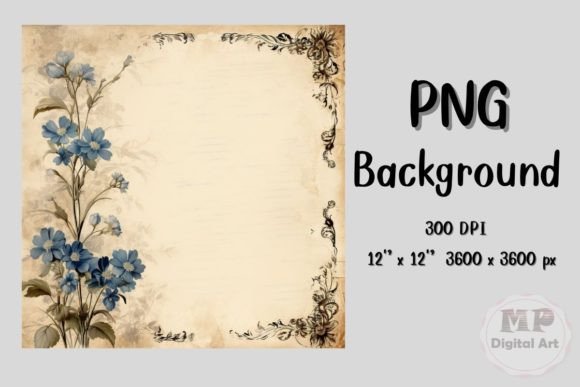
Review: Journal Digital Paper, Pattern Paper for Embroidery
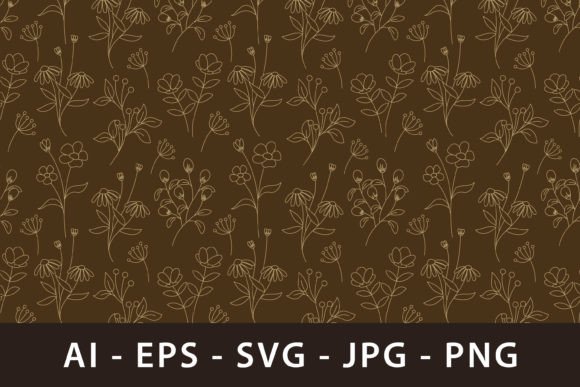
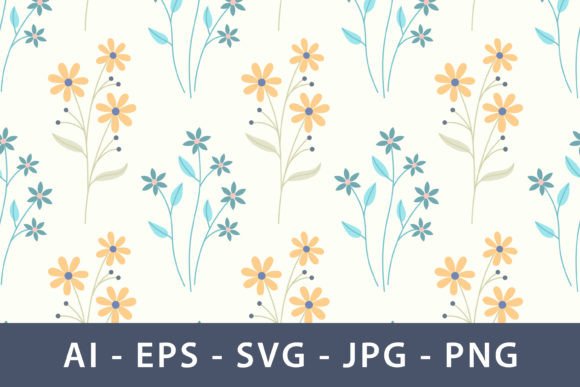
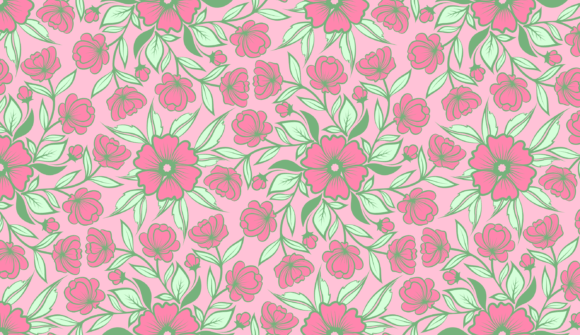
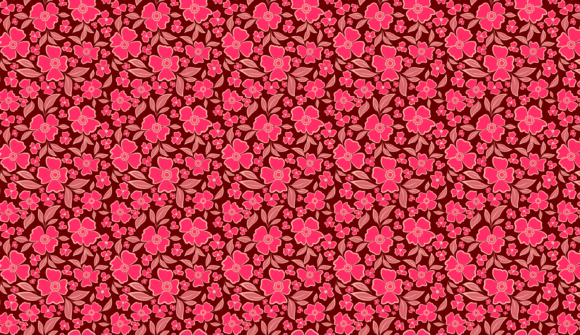
When I first opened the folder labeled Journal Digital Paper, Pattern Paper, I wasn't just looking at a collection of images; I was mentally mapping out how these retro floral patterns would translate into tangible stitches. As a designer who spends hours evaluating assets for client projects and my own handmade shop, I know that a pretty image on a screen often behaves very differently under an embroidery machine needle. This specific set of Retro Flowers Background files caught my eye immediately because of their vintage charm, but the real question is whether they hold up in a physical embroidery project.
The mood this design creates is undeniably nostalgic. It feels like flipping through an old scrapbook found in a grandmother's attic. The Floral Seamless Spring Flowers layout offers a continuous flow that suggests movement, which is excellent for larger surface areas. However, when you are planning to turn a digital file into a custom apparel piece or a boutique product, you have to look past the initial aesthetic appeal and consider the mechanics of stitching. Does the pattern have enough definition to survive the tension of the fabric? Will it look professional on a customer's tote bag, or will it appear muddy after a few washes?
From Screen to Stitch: A Real-World Scenario
Let me walk you through a scenario where I tested the viability of Journal Digital Paper, Pattern Paper. Imagine you are an Etsy seller preparing a batch of personalized baby gifts for the spring season. You want to create a custom embroidered blanket or a soft onesie with a delicate, vintage feel. You choose this seamless floral pattern because it screams "nurture" and "home."
However, before hitting the start button on your machine, you have to ask yourself about the density. If this design relies heavily on tiny, intricate details typical of high-resolution digital paper, those fine lines might get lost if you stitch them directly onto a stretchy cotton jersey or a textured fleece. In my experience, using this as a background fill for a large area works beautifully, provided you adjust the stitch density appropriately. If you try to replicate every single pixel of the Retro Flowers Background in thread, you risk creating a stiff, heavy patch that doesn't drape well on a baby garment.
I also considered using this design for a kitchen towel for a holiday gift. The seamless nature of the Spring Floral Seamless Pattern allows it to wrap around corners or fill the center of a towel without awkward breaks. But here is the catch: if the original digital file has too much contrast between light and dark threads, it can cause puckering on thin fabrics. For a kitchen towel made of linen or a lightweight cotton blend, you need a stabilizer that supports the weight of the satin stitch and fill stitch without distorting the weave. If the design is too dense, the fabric will pucker, and the finished product will lose its value.
Where This Design Shines in Your Craft Business
Despite the technical considerations, there are specific applications where Journal Digital Paper, Pattern Paper is a standout asset. It excels in products where the texture of the fabric adds to the rustic, vintage aesthetic. Think about an embroidered patch meant to be sewn onto a denim jacket or a canvas backpack. The slightly weathered look of the retro flowers complements the ruggedness of denim perfectly.
For small business owners selling apparel decorations, this design is ideal for sweatshirt embroidery where a bold, colorful background is desired. Because the pattern is seamless, you can scale it up to cover the entire back of a hoodie without worrying about repeating tiles that look obvious. When done correctly, it transforms a plain garment into a statement piece that customers will associate with high-quality design assets.
It is also fantastic for creating printable mockups for your online store. Even before you stitch anything, you can use the Graphics to visualize how the final item will look. This helps in marketing your handmade product line. Customers love seeing a clear vision of what they are buying, and a well-executed mockup featuring these vintage background elements can significantly boost buyer engagement.
Critical Considerations for Specific Fabrics
While the design is versatile, there are areas where you must exercise caution. If you are working with small hoop sizes, such as 4x4 inches, you need to be careful with the level of detail. Tiny petals or fine lines from the Pattern Paper might become indistinguishable blobs of thread when reduced to a miniature size. In such cases, it is better to treat the design as a subtle accent rather than the main event.
Textured fabrics present another challenge. On a thick corduroy or a boucle knit, the definition of the running stitch or the smoothness of a satin stitch can be compromised. The uneven surface of the fabric might hide the intricate details of the Floral Seamless Spring Flowers design. Similarly, on dark fabric, the contrast of the thread colors needs to be checked rigorously. If the original digital paper uses light pastel tones, they may not show up clearly against a black t-shirt unless you use a high-density underlay or a specific thread color palette.
Curved surfaces like caps or hats require special attention. The natural flow of the seamless pattern might distort when wrapped around the curve of a hat. You might find that the flowers look stretched or compressed depending on where they land relative to the seam. For these items, it is often safer to use a portion of the pattern as a focal point rather than trying to stitch the entire seamless repeat.
Practical Designer Notes for Success
If you are ready to move forward with Journal Digital Paper, Pattern Paper, do not skip the testing phase. Always test the design on scrap fabric first to see how the thread colors interact with your chosen material. Check the stabilizer type; a cut-away stabilizer is usually best for maintaining the shape of the design over time, especially for items that will be washed frequently.
Inspect the small details closely. Are the corners of the flowers sharp, or do they blur? If the design includes lettering or tiny accents, ensure they are legible. Review the stitch density in your software; if it is too high, reduce it slightly to prevent bulkiness. Also, confirm the licensing terms before selling finished items. Just because you bought the digital file does not automatically grant you commercial rights for every type of merchandise.
Finally, compare the design in black and white mockups. Sometimes, the color makes a design look vibrant, but the actual stitch structure might lack depth. By stripping away the color, you can see if the pattern holds its visual integrity. If the design passes these checks, you have a winning combination of aesthetic appeal and technical reliability.
Ultimately, Journal Digital Paper, Pattern Paper is more than just a download; it is a tool for building trust with your customers. When you deliver a personalized gift or a commercial embroidery piece that looks crisp, durable, and professionally finished, you reinforce your brand's reputation. Whether you are making a tote bag design for a craft fair or a baby embroidery set for a new parent, this pattern offers a timeless look that resonates with buyers seeking authentic, handmade quality.