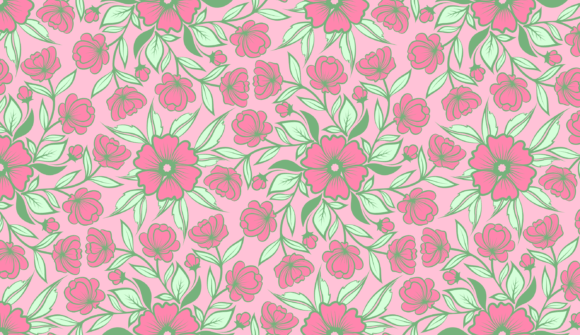
Flowers Digital Paper, Vintage Flowers: A Designer's Reality Check
When I first opened the folder for Flowers Digital Paper, Vintage Flowers, I wasn't just looking at a pretty image; I was mentally mapping out where this pattern would actually live on a finished product. As someone who has spent years turning digital assets into tangible goods for clients and my own shop, I know that what looks stunning on a screen often behaves very differently under an embroidery needle. This review is not about marketing fluff or generic praise. It is a practical assessment of how this retro floral background performs when moved from a graphics file to a real-world embroidery project.
The First Impression: Mood and Visual Personality
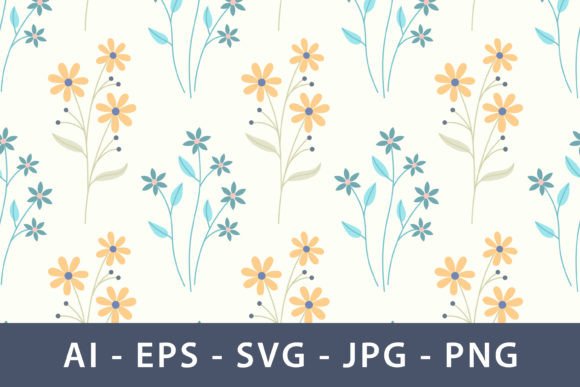
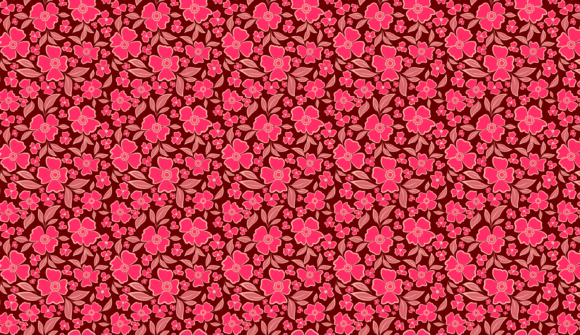
The immediate feeling you get from Flowers Digital Paper, Vintage Flowers is one of nostalgia. It isn't the loud, neon pop art style that screams for attention in a modern boutique; instead, it whispers with the quiet confidence of a well-loved vintage journal. The seamless nature of the pattern suggests it was designed for texture and coverage rather than a single focal point. For a designer, this distinction is critical. It means this asset is likely best suited for backgrounds, borders, or all-over prints where the eye needs to wander gently across the surface.
The "Retro" aesthetic implies soft curves and perhaps slightly muted tones that translate well to thread. However, when we talk about converting a digital paper into an embroidery design, we have to ask: does the detail level hold up? In my experience, patterns intended for scrapbooking or digital journals can sometimes lose their definition when converted to stitch density meant for fabric. If the original graphic relies on tiny gradients or extremely fine lines, those details might disappear once stitched, leaving a muddy mess on a tote bag or apron. The strength of this specific collection lies in its ability to create a cohesive backdrop without overwhelming the main subject of a garment.
Real-World Application: From Screen to Stitch
Let's imagine a scenario. You are preparing a custom order for a local bakery owner who wants embroidered kitchen towels as part of her branding. She loves the idea of a vintage floral theme but doesn't want it to look like a cheap mass-produced item. Here is where Flowers Digital Paper, Vintage Flowers shines. Instead of placing a single flower in the center of the towel, you could use the seamless pattern to create a wide border framing a monogram or logo.
This approach transforms a simple tea towel into a high-end handmade product. The vintage feel adds character, suggesting quality and care. Similarly, think about a line of baby clothes. Parents often gravitate toward softer, nostalgic designs for nurseries. Using this pattern as a subtle texture on a onesie or a bib can elevate the perceived value of the item. It moves beyond a simple "flower" motif into something that feels curated and intentional. For an Etsy seller or a small business owner, this kind of thoughtful application is exactly what drives customer trust and repeat sales.
I also see potential in using this design for apparel decorators working on sweatshirts or hoodies. A large-scale application of the pattern on the back of a hoodie, perhaps framed by a solid color block, creates a statement piece. However, this requires careful planning regarding the hoop size and the stability of the fabric. A heavy cotton blend might handle the density better than a thin jersey knit, which could pucker if the stitch count is too high.
Where to Exercise Caution
While the mood is right, there are technical pitfalls to avoid. Not every embroidery project is a good fit for a seamless digital paper pattern. If you are working on a small hoop size, such as stitching a patch or a cap front, a complex background pattern like this might become cluttered. The individual flowers may merge together, losing the distinct "vintage" charm and looking more like a blob of thread.
Textured fabrics present another challenge. If you attempt to stitch this over a linen or a heavily textured wool, the running stitch or satin stitch details might not sit flat. The uneven surface can cause the needle to skip or the thread to break, ruining the crispness of the floral seamless spring flowers design. Furthermore, dark fabrics require a different approach. If the digital paper features light pastels, you will need a substantial amount of underlay or fill stitches to ensure the colors show up clearly. Without proper stabilizer support, the tension could shift, causing the design to distort on a curved surface like a hat.
It is also vital to consider the end-user's maintenance habits. Products that need frequent washing, like work aprons or daily-use tote bags, benefit from simpler designs. A dense, intricate background pattern can trap lint and dirt in the stitch valleys, making the item look worn out faster. For these items, a simplified version of the pattern or a smaller accent placement is usually the smarter choice.
Impact on Brand and Customer Perception
In the world of craft business and commercial embroidery, presentation is everything. When a customer receives a personalized gift, they are buying into the story behind the item. Flowers Digital Paper, Vintage Flowers tells a story of warmth, tradition, and home. When executed well, it signals professionalism. It shows that the maker took time to select a design that complements the product, rather than just grabbing a random clipart image.
This attention to detail directly influences buyer engagement. A well-executed embroidered patch featuring this pattern can serve as a powerful brand identifier. It creates a visual consistency that customers recognize instantly. Whether it is used on a pillow cover for a wedding gift or a holiday embroidery project, the cohesive look builds credibility. Conversely, a poorly digitized version can make even the most expensive fabric look cheap. The difference lies in how the thread colors interact with the fabric texture and how the fill stitch covers the area without creating bulk.
Practical Designer Notes for Success
Before you commit this design to your machine for a client project, there are non-negotiable steps to take. First, always test the design on scrap fabric. Do not assume that because it looks good on your monitor, it will stitch perfectly on 100% cotton or polyester blends. Check the stitch density closely; if the design is too dense, it may be stiff and uncomfortable against the skin, especially for baby embroidery.
You must also verify the licensing terms. Since this is a download only digital product, the rules for selling finished items made from it vary by creator. Some licenses allow commercial use, while others restrict it to personal projects. Always confirm whether you can sell finished products created with this digital embroidery file before listing them on your shop.
Additionally, inspect the small details in the pattern. Sometimes, when a graphics file is converted to an applique design or a multi-stitch pattern, tiny elements can become disconnected or too fragile to stitch reliably. Use black and white mockups to check contrast before finalizing your thread palette. Ensure you are using the correct stabilizer for the fabric weight to prevent shifting. Finally, compare light and dark fabric backgrounds to ensure the design retains its personality regardless of the canvas.
By treating Flowers Digital Paper, Vintage Flowers as a serious design asset rather than just a decorative element, you can create small shop products that stand out in a crowded market. It is about bridging the gap between digital creativity and tactile craftsmanship, ensuring that the final result is as beautiful in hand as it is on the screen.