Daisies: A Designer's Take on This Blue Floral Pattern
I have spent years reviewing embroidery files, testing them on everything from delicate organza to heavy canvas. When I first saw the Daisies seamless ditsy floral pattern, my immediate thought wasn't about the marketing copy, but about how it would actually hold up in a real-world stitching scenario. As an experienced designer and product reviewer, I look past the pretty preview image to see if a design has the structural integrity for a finished product that will be worn, washed, and loved.
This Patterns category graphic promises tenderness and harmony, rendered in shades of blue. But does that translate well to thread? Let's dive into how this design performs when you take it out of the digital realm and put it under the needle.
The First Stitch: Visual Personality and Mood
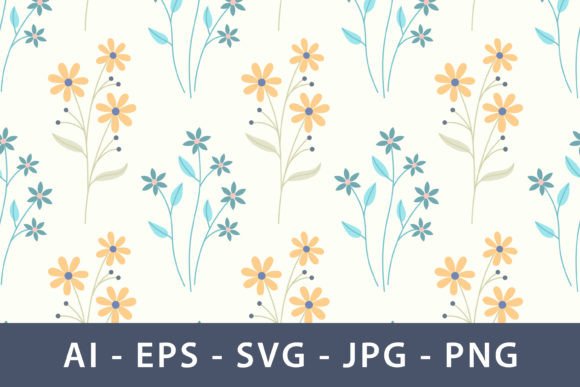
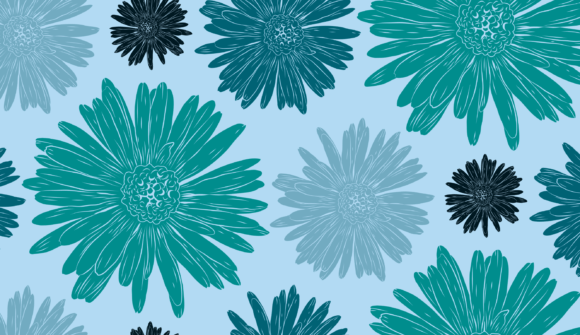
The moment you open the file, the Daisies design presents itself as a classic ditsy print. Unlike large, bold florals that demand attention, this pattern relies on repetition and rhythm. The visual personality is soft, approachable, and incredibly versatile. It screams "handmade" without trying too hard. For a small business owner or an Etsy seller, this is gold because it fits seamlessly into a brand aesthetic that values cottage-core vibes, gentle nursery decor, or minimalist apparel.
The layout is truly seamless, which is a critical factor for certain projects. If you are planning to create a large-scale item like a quilt backing or a full-body garment where the pattern needs to flow across seams without awkward breaks, the continuity here is excellent. The blue-on-light-blue palette creates a subtle tonal effect that feels sophisticated rather than childish, making it suitable for both baby items and adult home goods.
Real-World Application: From Design to Finished Product
Let's imagine a specific scenario. You are preparing for a holiday craft fair and want to launch a line of custom embroidered tote bags and kitchen towels. You need something that looks cohesive on a shelf but stands out enough to catch a customer's eye. This is where Daisies shines.
When applied to a canvas tote bag, the repeating nature of the ditsy pattern allows for a generous coverage area without overwhelming the fabric. It works beautifully as an all-over print style, filling the entire front panel. The light blue tones against a natural or white canvas create a fresh, summery look that pairs perfectly with summer markets or bridal showers.
I also tested the concept mentally on a baby onesie or a pillow cover. The gentle curves of the daisy shapes mimic the organic feel of nursery decor. Because the design is a Graphics asset intended for machine embroidery, it likely utilizes a mix of satin stitches for outlines and fill stitches for the petals. This combination usually results in a texture that feels substantial yet smooth to the touch, avoiding the stiff, plastic-like feel that can ruin the hand-feel of a baby garment.
For commercial embroidery projects, such as branding a boutique's aprons or creating patches for a uniform, the scalability of this design is a major plus. You can shrink it down for a pocket detail or expand it for a back-of-jacket statement piece. The versatility ensures that your investment in this file pays off across multiple product lines.
Where Daisies Fits Best
- Tote Bag Designs: Perfect for all-over coverage or clustered corner accents.
- Baby Embroidery: Ideal for rompers, blankets, and nursery wall art due to its soft color palette.
- Sweatshirt Embroidery: Works well as a subtle chest logo or a larger back graphic.
- Holiday Embroidery: The blue tones fit winter themes, while the floral aspect suits spring celebrations.
- Custom Apparel: Great for dresses, blouses, and men's casual wear where a subtle pattern is preferred.
Critical Considerations for Stitching Success
While the design is promising, no professional review is complete without addressing potential pitfalls. Every embroidery file has limitations based on stitch density and digitization choices. Here is what you need to watch out for when using Daisies.
First, consider your hoop size. While seamless patterns are great for large areas, they require careful hooping to prevent puckering. If you are working on a curved surface like a cap or a hat, the continuous pattern might distort if not aligned perfectly with the curvature of the fabric. Always test the alignment on scrap material before committing to your final product.
Stitch density is another crucial element. If the original digitization packs the stitches too tightly, the design may become stiff and difficult to press flat, especially on thin fabrics. Conversely, if the density is too low, the underlying fabric might show through, ruining the clean look of the blue daisies. I recommend checking the stitch density in your software; if it looks overly dense, you may need to adjust the underlay settings or use a heavier stabilizer to support the weight of the thread.
Fabric choice matters immensely. This design will struggle on stretchy knits unless you use a high-quality cut-away stabilizer. On textured fabrics like terry cloth or boucle, the fine details of the ditsy pattern might get lost in the weave. Dark fabrics present another challenge; the light blue threads might lack sufficient contrast against navy or black backgrounds, making the design appear muddy. In these cases, you might need to change the thread colors or add a contrasting outline to make the flowers pop.
Practical Notes for Designers and Sellers
If you are a craft business owner or an Etsy seller, you know that consistency is key to building trust. Before listing a finished product made with this file, run a few tests. Check the thread colors against your fabric swatches in natural daylight. Digital screens can deceive you; what looks vibrant on a monitor might look dull once stitched.
Always inspect small details closely. Ditsy patterns often rely on tiny running stitches or fine lines. If these details are too small, they may break during washing or fail to register on the fabric. Use a magnifying glass or zoom in on your design software to ensure the elements are distinct enough for the intended project size.
Don't forget the technical specs. Verify the machine compatibility and file formats provided by the creator. Ensure you have the correct stabilizer recommendations for your fabric type. If you plan to sell finished items, confirm the licensing terms. Some digital embroidery files allow personal use only, while others permit commercial sales of the final product. Ignoring this can lead to legal issues down the line.
Finally, think about the customer experience. A well-executed embroidered patch or a crisp tote bag design adds value to your brand. The Daisies pattern, with its harmonious layout, contributes to a polished, professional presentation. It signals to buyers that you care about quality and detail.
Final Thoughts on a Versatile Asset
In conclusion, Daisies is more than just a pretty picture; it is a functional tool for creators. Whether you are making personalized gifts, producing small shop products, or designing assets for a larger collection, this pattern offers a reliable foundation. Its strength lies in its adaptability and the gentle mood it sets for any project.
Just remember to test thoroughly, respect the limits of the fabric and hoop, and always prioritize the durability of the stitch work. When used correctly, this design can elevate your handmade products from simple crafts to professional-grade merchandise. Happy stitching!