Vintage Ornament Border Dividers Ornate
As a designer who has spent years stitching out designs for clients and crafting my own line of handmade goods, I know that the difference between a good project and a great one often comes down to the assets you choose. Today, I am putting Vintage Ornament Border Dividers Ornate under the microscope. This isn't just about looking at a pretty image; it is about evaluating how this piece functions as a practical tool for embroidery, branding, and commercial product creation.
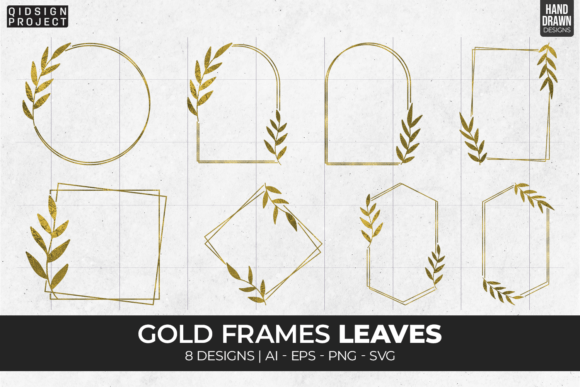
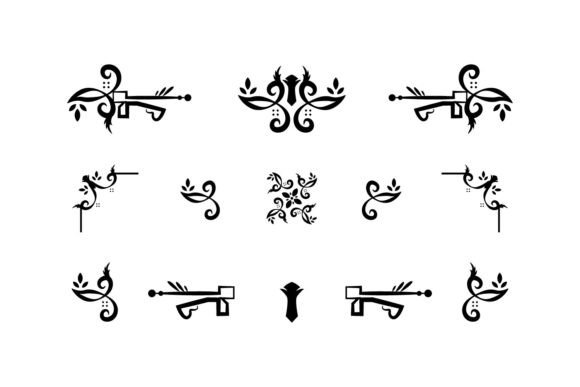
When I first opened the file set for Vintage Ornament Border Dividers Ornate, the immediate mood was one of timeless elegance. The ornate floral concept doesn't scream "trendy"; instead, it whispers "heritage." It feels like something you would find in a grandmother's antique album or on the invitation to a high-end wedding. For designers looking to create products with a sense of history and sophistication, this design asset offers a visual personality that is both intricate and inviting.
Real-World Application: The Custom Tote Bag Scenario
To truly understand the utility of Vintage Ornament Border Dividers Ornate, let's imagine a real project. You are an Etsy seller preparing a batch of custom embroidered tote bags for a boutique client. The client wants a sophisticated look for their new line of organic soaps. They need a design that frames the logo but doesn't overpower it.
This is where Vintage Ornament Border Dividers Ornate shines. Unlike a solid block of fill stitch that can look heavy on canvas, these dividers act as delicate architectural elements. I envision placing the ornate floral border along the top and bottom edges of the bag, creating a frame for the shop name. The result is a finished product that looks professionally branded rather than mass-produced. The intricate details add perceived value, making a simple cotton tote feel like a luxury item.
The versatility extends beyond totes. I have also considered using this design for holiday gifts, such as personalized aprons or kitchen towels. In a kitchen setting, the vintage aesthetic pairs beautifully with linen or heavy cotton. When stitched onto a tea towel, the ornate borders provide a decorative anchor that elevates the entire piece, turning a utilitarian item into a cherished keepsake.
Performance on Fabric and Thread
Transitioning from digital graphics to machine embroidery requires careful consideration of stitch density and thread colors. Vintage Ornament Border Dividers Ornate relies heavily on fine lines and delicate curves. When executed correctly, the satin stitch should capture the fluidity of the vines and petals without losing definition.
However, success depends on your setup. If you are working with a small hoop size, you must ensure that the design scales appropriately. Trying to cram too much detail into a 4x4 inch area might result in lost texture, especially in the tiny corners of the ornamentation. For larger projects like sweatshirt embroidery or pillow covers, the design has ample room to breathe, allowing the fill stitches and running stitches to define the shape clearly.
Thread color selection is critical here. Because the design is ornate, high contrast is usually best. A dark navy thread on a cream fabric will make the details pop, whereas a monochromatic scheme might cause the design to blend into the background. I recommend testing various thread colors to see how the light interacts with the metallic sheen of the thread against the matte finish of the fabric.
Where to Exercise Caution
While Vintage Ornament Border Dividers Ornate is a powerful asset, it is not a one-size-fits-all solution. There are specific scenarios where this design might struggle or require extra preparation.
- Small Hoop Sizes: If you are working with baby clothes or caps, the detailed nature of the dividers may be too complex for very small areas. The tiny loops of the floral pattern can get lost or merge together if the stitch count is too high for the available space.
- Textured and Stretchy Fabrics: Embroidering dense, ornate designs on stretchy jersey or highly textured fabrics like bouclé can lead to puckering or distortion. These fabrics require a stabilizer system that is robust enough to hold the tension of the design without collapsing the weave.
- Dense Stitch Areas: If you plan to use this design for an embroidered patch, be mindful of the density. Too many layers of satin stitch in the same spot can make the patch stiff and difficult to wear. It is essential to review the stitch density settings before running the final production batch.
- Curved Surfaces: While great for flat items like tote bags and aprons, applying this design to curved surfaces like baseball caps requires precise digitizing adjustments. The straight lines of the border may need to be warped slightly to follow the curve of the cap without distorting the floral elements.
Impact on Brand and Customer Trust
In the world of craft business and small shop products, presentation is everything. A well-executed design builds customer trust. When a buyer sees a clean, sharp, and well-defined Vintage Ornament Border Dividers Ornate on a finished product, they immediately associate that quality with your brand.
This design element adds a layer of professionalism that generic clip art simply cannot achieve. It signals to the customer that you care about the details. Whether you are selling printable mockups, digital embroidery files, or physical goods, the inclusion of such a refined graphic asset enhances the overall perception of your work. It helps your products stand out in crowded marketplaces like Etsy or at local craft fairs.
Furthermore, the vintage theme has broad appeal. It fits seamlessly into bohemian weddings, rustic home decor, and classic nursery themes. This versatility means you can use Vintage Ornament Border Dividers Ornate across multiple product lines, maintaining brand consistency while targeting different demographics.
Practical Designer Notes for Success
Before you commit to a full production run, there are several steps every experienced designer takes. First, always test the design on scrap fabric. This allows you to check thread color contrast and inspect small details up close. You want to ensure that the finest points of the ornament are catching the needle properly.
Review your stitch density carefully. If the design feels too heavy, consider adjusting the underlay or reducing the number of passes. Confirm your hoop size matches the intended garment dimensions. Do not assume a design will work on a specific item without verifying the scale first.
Additionally, inspect the design in black and white mockups. Sometimes, color can hide structural issues that become obvious when viewed in grayscale. Compare how the design looks on light versus dark fabric backgrounds to ensure it remains legible in all contexts.
Finally, remember the importance of proper stabilizer usage. For a design as detailed as Vintage Ornament Border Dividers Ornate, using the wrong stabilizer can ruin the crispness of the lines. Ensure you are using a cut-away or tear-away stabilizer appropriate for your fabric weight.
If you are planning to sell finished items or digital products, confirm the licensing terms of the original file. Understanding whether you have commercial rights is crucial for protecting your business. By following these practical steps, you can transform a digital illustration into a stunning, high-value embroidery project that delights customers and strengthens your reputation as a skilled maker.