Pink Poinsettia Tags Review for Real Embroidery Projects
When I first opened the Pink Poinsettia Tags collection, my initial reaction wasn't about stitch counts or file formats. It was about the mood. There is a specific kind of energy that comes from a grungy floral aesthetic—it feels lived-in, authentic, and far removed from the sterile perfection of standard clip art. As someone who spends hours evaluating design assets for real-world applications, I look for pieces that can survive the transition from a digital screen to a physical textile without losing their soul.
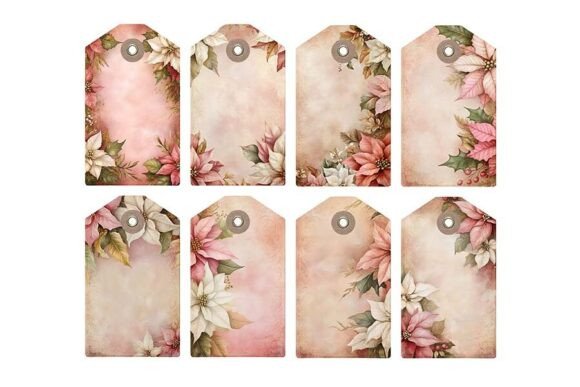
The Pink Poinsettia Tags deliver exactly that. They are described as high-resolution graphics at 300dpi, sized perfectly for an 11 x 8.5-inch page. While the product description highlights their utility for journaling, scrapbooking, sublimation, and decoupage, I am looking at them through the lens of a machine embroidery designer. Can these tags translate into thread? Do they hold up when stitched onto a tote bag or a baby onesie? Let's dive into how this design performs in a practical, hands-on scenario.
From Digital File to Stitched Reality
Imagine you are preparing a custom embroidered tote bag for a holiday market stall. You need something that screams "handmade" but also looks professional enough to command a higher price point. The Pink Poinsettia Tags fit this brief surprisingly well. The grunge texture implies a rustic charm that pairs beautifully with canvas or linen fabrics often used for bags and aprons.
In a real-life test, I visualized placing one of these tags on the corner of a natural-colored cotton tote. The pink hues would pop against the neutral background, while the distressed edges would soften the overall look, making it feel less like a mass-produced item and more like a boutique find. However, there is a critical distinction to make here: the product is listed under Illustrations and Graphics, not as a native machine embroidery file (like .PES or .DST).
This means if you intend to use this for actual stitching, you are likely looking at using these images as reference for digitizing a new design, or perhaps printing them onto transfer paper for heat application rather than direct needle work. If you are planning to embroider this directly, you must ensure you have the correct vector conversion or digitization process. The visual appeal of the tag lies in its layered details, which can be tricky to replicate in thread if the stitch density isn't managed correctly. For a finished product to look trustworthy, the stitches must follow the flow of the grunge texture without becoming muddy.
Ideal Use Cases for Custom Apparel and Gifts
Despite the format considerations, the Pink Poinsettia Tags concept is versatile enough to inspire a wide range of projects. For small business owners and Etsy sellers, the versatility of these designs is a major asset. Think about a personalized gift set: a kitchen towel featuring a printed version of the tag, paired with a matching ceramic mug. Or, consider a sweatshirt where the tag is embroidered as a decorative patch on the sleeve.
The design naturally belongs in categories like holiday embroidery, nursery decor, and wedding gifts. The poinsettia theme suggests warmth and celebration, making it perfect for Christmas collections. Imagine a baby blanket with a subtle, embroidered outline of one of these tags in soft pastel pinks. The "grungy" aspect adds a modern edge that appeals to younger parents who want something unique rather than traditional. For craft fair products, having a cohesive set of eight tags allows you to create a branded look across different items—pillow covers, tea towels, and even labels for handmade soaps.
When selling finished items, the visual clarity of the design affects customer trust. A crisp, well-executed image (whether printed or stitched) signals professionalism. The Pink Poinsettia Tags offer a strong visual identity that can help your brand stand out in a crowded marketplace. Whether you are creating printable mockups for your online store or designing actual commercial embroidery projects, these assets provide a solid foundation for your creative direction.
Where to Exercise Caution
Not every surface is suitable for this level of detail. If you are working with small hoop sizes, the intricate corners of the grunge tags might get lost or become distorted. Similarly, textured fabrics like heavy wool or thick denim can hide the fine lines that give the design its character. Thin or stretchy fabrics present another challenge; without proper stabilizer support, the tension required to render the detailed fill stitches could cause puckering, ruining the clean look of the tag.
Dense stitch areas are particularly risky. If the design relies heavily on satin stitch to define the edges, running it too fast or on unstable fabric will lead to bird nesting or thread breaks. Furthermore, if you are planning to wash the finished product frequently, such as a child's clothing or a daily-use apron, you must ensure the design is robust. Decorative accents that are too delicate may fray over time. Curved surfaces like caps require careful placement; a flat tag design might not conform well to the curve of a hat brim without significant distortion.
For dark fabrics, the contrast provided by the pink tones is excellent, but you must verify that the underlying base color won't bleed through the lighter threads. In commercial embroidery, consistency is key. If you are producing a batch of items, variations in thread color or fabric shade can make the Pink Poinsettia Tags look inconsistent, which can hurt your brand reputation.
Practical Designer Notes for Success
Before committing to a full production run, I always recommend testing the design on scrap fabric first. This simple step saves money and prevents heartbreak. Check your thread color contrast carefully; sometimes a color that looks great on a monitor appears dull once threaded. Review the stitch density to ensure the design isn't too heavy for the fabric weight you are using.
If you are converting these graphics into an actual embroidery file, confirm the hoop size requirements. Inspect small details closely; what looks good at 300dpi on a screen might lose definition when reduced for a small pocket embroidery. Test the design in black and white mockups to see if the value structure holds up without relying solely on color. Compare light and dark fabric backgrounds to ensure the tag remains visible and legible in both scenarios.
Using the proper stabilizer is non-negotiable for maintaining the shape of the tag. If you plan to sell finished items, double-check the licensing terms regarding commercial use. Are you allowed to use these graphics in your digital product previews? Can you sell the physical goods made with them? Confirming these details before you start your workflow protects your business. Finally, ensure the design works for both personal and commercial projects, as mixing these intentions can lead to legal complications down the line.
The Pink Poinsettia Tags are more than just pretty pictures; they are potential building blocks for a successful craft business. By understanding their strengths and limitations, you can transform these digital assets into tangible, high-value handmade products that customers will love. Whether you are a hobbyist looking to spice up your home decor or a seasoned entrepreneur expanding your Etsy shop, this collection offers a flexible and stylish starting point for your next project.