Monarch Butterfly Stained Glass Clipart Review
When I first opened the file for Monarch Butterfly Stained Glass Clipart, my initial reaction was one of visual delight, but as an experienced designer who has seen thousands of digital assets fail to translate into physical thread, my second thought was always practical: "How will this actually stitch?" This isn't just a pretty image; it is a specific type of Illustrations category asset that demands careful consideration before it ever touches your embroidery machine. The description highlights it as a 300 dpi PNG with a transparent background, which suggests high-quality raster data ready for conversion, but the true test lies in how the design behaves when rendered in real-world applications.
The Visual Personality and Mood
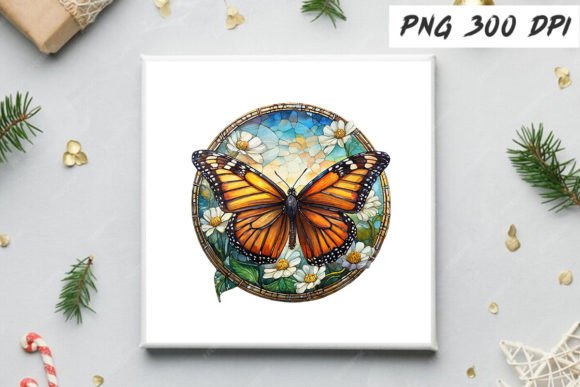
The aesthetic of Monarch Butterfly Stained Glass Clipart immediately evokes a sense of elegance and fragility. Unlike standard vector line art or solid fill shapes, the stained glass motif implies a segmented structure with distinct borders. This creates a mood that feels artistic, slightly vintage, and highly decorative. For a crafter or small business owner, this visual personality is perfect for projects that need to feel premium without being overly bold. It sits comfortably between a nursery decor item and a sophisticated boutique accessory. The watercolor elements mentioned in the keywords add a softness that contrasts beautifully with the rigid geometry of the glass panes, creating a unique tension that can make a finished product stand out on an Etsy listing or a craft fair table.
Real-World Application: The Custom Tote Bag Scenario
To truly evaluate this design, let's imagine a specific project. I am preparing a custom embroidered tote bag for a client who runs a local flower shop. She wants something that reflects the beauty of nature but needs to be durable enough for daily use. When I visualize Monarch Butterfly Stained Glass Clipart on a canvas tote, the potential is high. The segmented look of the butterfly wings translates well to the texture of canvas, where the "glass" lines could represent satin stitch borders separating areas of fill stitch.
However, the decision-making process changes if we switch to a baby onesie. Here, the design might feel too heavy or complex for the delicate fabric. In this scenario, the "stained glass" effect requires precise stitching density to avoid puckering. If the design is too dense, it becomes stiff and uncomfortable against a baby's skin. Conversely, if used on a sturdy apron or a kitchen towel, the design gains structural integrity. The clear definition of the wings allows the thread colors to pop, making the finished product look like a piece of art rather than just a logo. This versatility is what makes the asset valuable for a creative entrepreneur looking to expand their product line from apparel to home goods.
Performance Across Different Fabrics and Products
The performance of this Graphics asset varies significantly depending on the substrate. On smooth, tightly woven fabrics like cotton twill used for caps or hats, the design holds its shape well, provided the stabilizer is adequate. The contrast between the dark outlines (simulating lead lines) and the colored sections mimics the actual stained glass technique, adding depth to the embroidery. This works exceptionally well for holiday gifts or wedding favors where a touch of class is required.
For commercial embroidery projects involving sweatshirts or hoodies, the design offers a striking focal point. The transparency of the original PNG file ensures that the butterfly can be placed cleanly over any garment color without unsightly white boxes. However, on stretchy knits, caution is necessary. The intricate details inherent in a stained glass pattern require stability. Without proper backing, the fine lines might distort during the stitching process, leading to a blurry appearance that diminishes the professional quality of the embroidery file.
Where to Use Caution
While the design is versatile, there are specific scenarios where Monarch Butterfly Stained Glass Clipart should be approached with skepticism. Small hoop sizes are a primary concern. If you attempt to digitize this for a tiny patch or a detail on a child's shoe, the complexity of the stained glass segments may get lost. The eye needs space to appreciate the separation between the "panes," and cramming them into a small area results in a muddy, indistinct mess.
Textured fabrics also pose a challenge. On boucle wool or heavily ribbed knits, the fine lines of the design may disappear into the fabric texture. Similarly, thin fabrics like silk or sheer chiffon are risky unless stabilized heavily, as the weight of the thread could cause the material to tear or warp. Dark fabrics present another hurdle; while the design can work, the contrast relies heavily on the thread choice. If the background threads are too similar in value to the fabric, the "glass" effect vanishes. Finally, for products that undergo frequent washing, such as work aprons or children's clothes, the density of the design must be balanced. Too much thread coverage leads to stiffness and potential cracking of the stitches over time.
Impact on Brand and Customer Perception
In the world of handmade products and Etsy seller listings, visual appeal drives sales. A well-executed Monarch Butterfly Stained Glass Clipart elevates the perceived value of a handmade product. Customers associate detailed, clean stitching with high quality and attention to detail. When a buyer sees a crisp, vibrant butterfly on a tote bag or pillow cover, they trust that the maker put effort into the creation. This builds brand consistency and fosters customer loyalty.
Furthermore, the design's unique aesthetic aids in recognition. In a sea of generic floral patterns, a stained glass butterfly stands out. It signals creativity and sophistication, which is crucial for commercial embroidery businesses targeting higher-end markets. Whether it is used for personalized gifts or boutique branding, the design helps tell a story of craftsmanship. However, this only holds true if the execution is flawless. Poor digitization or incorrect thread selection can undermine the entire presentation, turning a potential bestseller into a return.
Practical Notes for the Embroidery Designer
Before committing to a full production run, I strongly advise testing the design on scrap fabric. This step is non-negotiable for ensuring that the stitch density is appropriate for the chosen material. Check the thread color contrast carefully; ensure the "lead lines" are visible against both light and dark backgrounds. Review the stitch types—satin stitch should be used for the outlines to create that glass border effect, while fill stitches or running stitches might be better for the interior sections depending on the desired texture.
Confirm the hoop size requirements before starting. Since the original file is described as 6 inches by 6 inches, ensure your machine can handle the dimensions without excessive trimming. Inspect small details closely; sometimes, fine lines in raster-to-vector conversions can become jagged or broken. Test the design in black and white mockups to see if the composition still works without relying on color. Additionally, verify whether the design works for both personal and commercial projects by checking the licensing terms explicitly provided with the download. Do not assume usage rights.
Finally, use a proper stabilizer. For a design with this level of detail, cut-away stabilizer is often recommended for durability, especially on garments like sweatshirt embroidery or tote bag design items that will be handled frequently. By following these practical steps, you can transform a simple digital image into a stunning finished product that delights your customers and enhances your reputation as a skilled artisan.