Watercolor Tulip Flowers Background Review
I have spent years reviewing machine embroidery design files for everything from high-end boutique branding to quick craft fair projects. When a new file lands in my inbox, I do not just look at the pixel count or the marketing buzzwords. I immediately start visualizing the stitch path, the thread tension, and how the final product will feel in a customer's hands. Recently, I took a close look at the Watercolor Tulip Flowers Background, specifically evaluating its potential for real-world application in custom apparel and handmade goods. My verdict? It is a beautiful asset, but it requires a specific strategy to execute well.
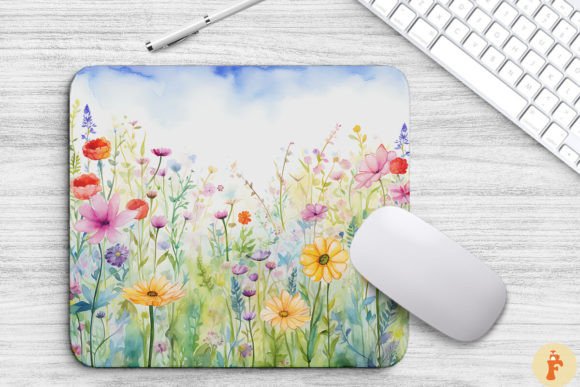
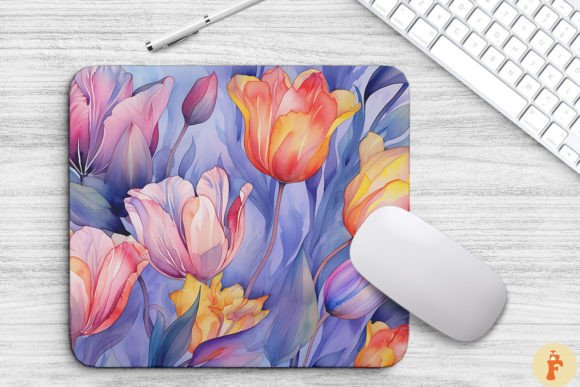
The first impression of this Graphics file is undeniably soft and inviting. Unlike rigid vector shapes that scream "digital," this embroidery file mimics the fluidity of watercolor paint. The mood it creates is one of springtime renewal, gentle nostalgia, and artisanal warmth. For an Etsy seller or a small shop owner, this visual personality is gold. It naturally belongs in projects that require a touch of elegance without being overly formal. However, as a designer who has seen too many "pretty" designs fail due to poor technical execution, I had to dig deeper into how this background would actually translate from a screen to fabric.
From Screen to Stitch: A Real-World Scenario
To truly test the viability of the Watercolor Tulip Flowers Background, I imagined a concrete project: a custom embroidered tote bag for a local flower market vendor. This is a classic scenario where the design needs to be durable enough for daily use yet artistic enough to justify a premium price point. The goal was to create a piece that felt like a handmade product rather than a mass-produced item.
In this scenario, the background serves as the canvas upon which the tulips bloom. If I were stitching this onto a natural cotton canvas tote, the watercolor effect could simulate the way ink bleeds slightly into porous fabric. However, the challenge lies in the density. Watercolor art often relies on subtle gradients and white space to convey depth. In embroidery project terms, those gradients must be translated into varying stitch densities or color changes. If the design is too dense, the fabric becomes stiff and loses the "soft" aesthetic of the original art. If it is too sparse, the background might look unfinished on a finished product.
I also considered using this design on a baby onesie for a gift. Here, the stakes are higher regarding comfort. The stitch density must be low enough to prevent irritation against sensitive skin. The Watercolor Tulip Flowers Background works beautifully here because its organic shapes avoid harsh lines that might chafe. But, if the background covers too large an area on a stretchy knit fabric without proper stabilizer, the garment could pucker around the neckline or cuffs, ruining the professional look.
Where This Design Shines
There are specific niches where this embroidery design excels. It is perfect for holiday embroidery projects, particularly for Easter or Mother's Day gifts. The thematic connection between tulips and spring makes it a logical choice for seasonal merchandise. I can easily see this background used on kitchen towels or aprons for a boutique bakery, adding a splash of color that feels fresh and welcoming.
For commercial embroidery businesses, this file offers versatility. It can serve as a backdrop for personalized names or logos, creating a layered effect that adds value to the final product. Imagine a sweatshirt embroidery job where the watercolor flowers fade out towards the hem, providing a unique contrast to solid-colored text. It elevates a standard t-shirt into a statement piece. Furthermore, for digital product sellers, these images make excellent printable mockups. You can place your digital templates over this background to show clients exactly how their monograms will look before they even commit to production.
Areas Requiring Caution
However, no design is universally perfect, and the Watercolor Tulip Flowers Background has limitations that every craft business owner must respect. First, small hoop sizes are a major pitfall. Watercolor effects rely on detail and flow. If you attempt to stitch this in a 4x4 hoop or smaller, the delicate edges may get lost in the stitching process, resulting in a muddy appearance. I strongly advise testing the design in your intended hoop size before running a full production run.
Texture is another critical factor. While this design looks stunning on smooth fabrics like sateen or linen, it struggles on highly textured materials like heavy denim or bouclé. The uneven surface can distort the fine details of the fill stitch and running stitch combinations needed for the watercolor look. Additionally, dark fabrics present a significant challenge. Unless the file includes a robust underlay or a specific light-colored base layer, the colors may appear dull or muddy against a black background. Always check the file specifications to see if a stabilizing layer is included.
Curved surfaces, such as caps or fitted hats, require careful planning. The background is likely designed with a flat plane in mind. Stretching it over the curve of a cap can warp the tulip shapes, making them look unnatural. For embroidered patches, the background needs to be trimmed carefully to ensure the edges align perfectly with the patch border, otherwise, the "watercolor" bleed effect might look like a mistake.
Technical Notes for the Practical Designer
Before you download this file and hit "start" on your machine, there are essential steps to take. I cannot stress this enough: test the design on scrap fabric first. Use the same thread colors and fabric type you plan to use for the final product. This simple step reveals issues with thread breaks, puckering, or color clashes that you cannot see on a computer screen.
Review the stitch density closely. If the design uses too many stitches per square inch, you risk damaging the needle or breaking the thread. Conversely, if the density is too low, the design may lack coverage. Check the thread colors provided in the palette; sometimes, the default colors in the software do not match the visual intent of the watercolor style. You may need to swap in variegated threads to enhance the artistic effect.
Don't forget to inspect small details. Sometimes, tiny elements in a complex background can get lost or merge together during stitching. Use a magnifying glass or zoom in on your digitizing software to ensure the outlines are clean. Also, consider the washing instructions. If the design is intended for items that will be frequently washed, ensure the stabilizer used provides enough support to keep the design intact over time.
Finally, confirm the licensing terms. Are you allowed to sell finished items made with this digital embroidery file? Does the license cover commercial use, or is it restricted to personal gifts? These legal distinctions are vital for protecting your small shop product line. If the details regarding file formats or specific machine compatibility are not clearly listed in the product description, reach out to the creator before purchasing.
The Watercolor Tulip Flowers Background is a versatile tool for any creative entrepreneur looking to add a touch of nature-inspired beauty to their work. By understanding its strengths and respecting its limitations, you can transform a simple digital image into a high-quality, profitable finished product. Whether you are designing for a boutique, a craft fair, or a family member, this design offers a strong foundation for your next embroidery adventure.