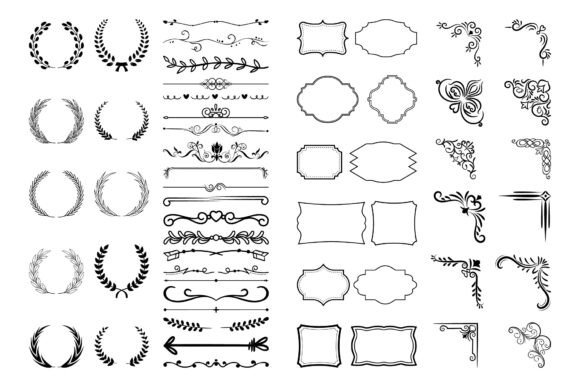
Vintage Calligraphic Elements: A Designer's Review
As a designer who has spent years turning digital files into tangible, stitched masterpieces, I know that the difference between a good product and a great one often lies in the details. Recently, I took a close look at Vintage Calligraphic Elements. Decorativ, a collection of decorative frames, flourish dividers, borders, and swirls. My goal wasn't just to admire the vector art on my screen but to stress-test it against the realities of machine embroidery. Would these beautiful scrolls hold up under the needle? Could they elevate a handmade tote bag or define a boutique brand?
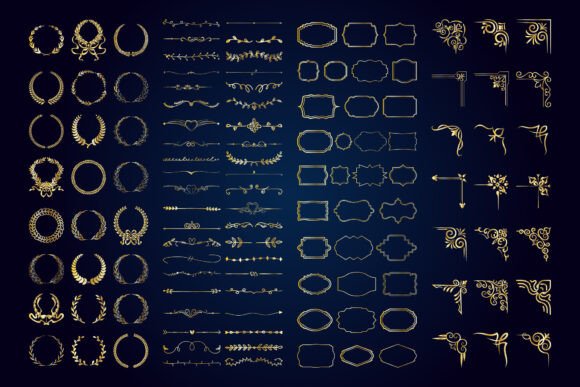
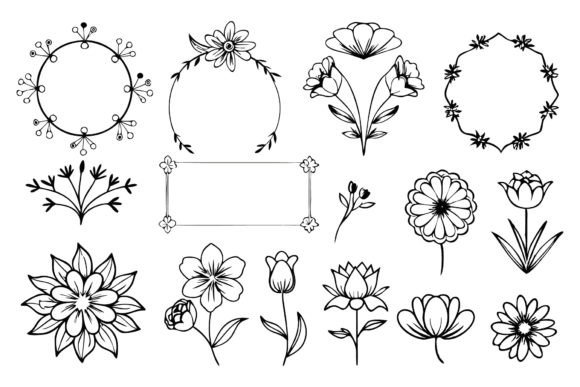
The first impression of Vintage Calligraphic Elements. Decorativ is one of timeless elegance. The design language speaks to a classic aesthetic, blending circle, square, and rectangular frames with intricate motifs and scrolls. It feels like something you would find in an old library or on a wedding invitation from the 19th century. For any crafter or small business owner looking to add a touch of sophistication to their inventory, this set immediately suggests high value. However, as we all know, a pretty image doesn't always translate perfectly to thread.
From Screen to Stitch: Real-World Application
Let me take you through a specific scenario where I evaluated how this design performs in the real world. Imagine preparing for a holiday craft fair or launching a new line of personalized gifts on Etsy. You have a batch of natural linen tea towels and want to create a custom "Kitchen Collection" using vintage-inspired graphics. This is where Vintage Calligraphic Elements. Decorativ shines. The flourish dividers are perfect for separating text, while the frames can act as elegant borders around a monogrammed name.
When I visualized stitching this onto a kitchen towel, the balance of the design felt right. The swirls provide movement without overwhelming the fabric. Unlike bold, blocky designs that might look stiff on soft cotton, these delicate lines suggest a gentle, handcrafted feel. If I were to use this for a baby item, such as a christening gown or a nursery wall hanging, the circular frames could beautifully encapsulate a baby's name, creating a sentimental keepsake that feels both modern and nostalgic.
The versatility extends beyond home goods. For apparel decorators working on sweatshirts or aprons, these elements serve as excellent accents. Instead of a large, central logo, a designer might place a small, square frame with scrollwork on the chest pocket area. This adds a layer of professionalism and brand consistency that customers appreciate. When buyers see a cohesive design language across different products—like matching patches, tote bags, and labels—they trust the quality of the entire brand.
Navigating Technical Challenges
While the aesthetic appeal is undeniable, a professional review must address the technical hurdles. Not every embroidery file is created equal, and Vintage Calligraphic Elements. Decorativ requires careful consideration regarding stitch density and fabric choice. The design features detailed corners and tiny lettering, which are notorious trouble spots in machine embroidery.
If you plan to use this on a curved surface like a cap or a fitted hat, proceed with caution. The complex curves of the flourishes might not follow the curvature of the brim perfectly, leading to puckering or distortion. Similarly, if you attempt to stitch this on a stretchy fabric like jersey knit without proper stabilization, the tension could cause the delicate swirls to collapse. In these cases, a heavy-duty stabilizer is non-negotiable.
I also recommend avoiding this design for very small hoop sizes unless you are prepared to simplify the output. Tiny frames with intricate internal details can become muddy when reduced too much. The stitches may crowd each other, losing the crisp definition that makes the design so attractive. For a finished product to look professional, the negative space is just as important as the thread. If the design becomes too dense, it risks feeling heavy and rigid rather than light and airy.
Dark fabrics present another challenge. Because the design relies on fine lines and subtle contrasts, using dark threads on dark fabric can make the details disappear. Conversely, white thread on a black background might show up well, but you must ensure the fill stitch coverage is sufficient to prevent the fabric texture from showing through. Always test your thread color contrast before committing to a full production run.
Strategic Insights for Business Owners
For Etsy sellers and creative entrepreneurs, understanding how a design affects perceived value is crucial. Vintage Calligraphic Elements. Decorativ allows you to position your products as premium items. A simple tote bag transformed by an ornate, calligraphic border can command a higher price point because it looks bespoke. Customers are willing to pay more for designs that demonstrate skill and attention to detail.
However, this level of detail demands precision. If the final product looks rushed or if the satin stitches are uneven, it can damage customer trust. The design works best when paired with high-quality materials. Using cheap thread or unstable fabric will undermine the elegance of the vintage style. To maintain brand integrity, ensure that your finished product matches the refined mood of the graphic.
When creating printable mockups for your online store, consider how the design translates digitally. Does the frame look balanced in a thumbnail view? Can you clearly see the swirls and motifs even on a small mobile screen? Good digital presentation helps drive sales, but it must be backed by a physical product that delivers on the promise. If the design works well in a mockup but fails in the hoop, the disappointment will be significant.
Essential Notes for the Embroidery Designer
Before you load this file into your machine, there are several practical steps you should take to ensure success. First and foremost, test the design on scrap fabric that mimics your intended project material. This allows you to check the stitch density and see how the threads interact with the weave of the cloth. Pay close attention to the running stitch areas; they should lay flat without gaps or bunching.
Review the file specifications carefully. Since exact stitch counts and file formats are not always provided in the initial description, verify that your embroidery software supports the file type. Check the recommended hoop size to ensure the design fits within your machine's capabilities. If the design includes applique elements, confirm that the cutting instructions are clear and that the fabric weight is appropriate for the technique.
Inspect the small details closely. Are the tiny loops in the flourishes sharp enough? Do the corners of the square frames align correctly? Sometimes, vector paths need slight adjustments before digitization to ensure clean edges. If you are using this for commercial projects, double-check the licensing terms to ensure you are allowed to sell finished items made with this design asset.
Finally, compare the design in both black and white mockups and on various fabric backgrounds. This helps you visualize how the contrast will work in different lighting conditions. Whether you are creating a personalized gift for a family member or mass-producing boutique branding for a client, taking the time to prep properly will save you hours of frustration and ensure a flawless finished product.
In conclusion, Vintage Calligraphic Elements. Decorativ is a powerful tool for designers seeking to blend traditional aesthetics with modern craftsmanship. It offers a wealth of decorative potential for everything from holiday gifts to commercial merchandise. By respecting its technical requirements and planning your projects with care, you can transform these digital graphics into stunning, tactile experiences that delight your customers and elevate your brand.