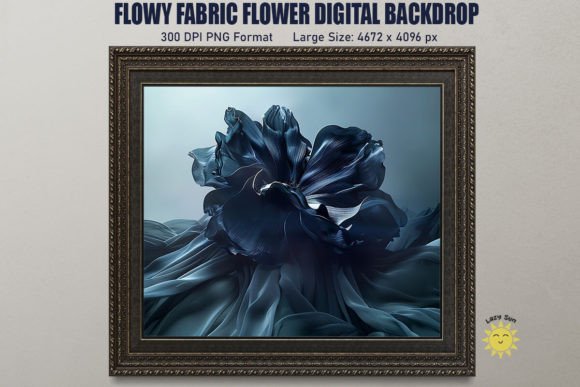
Flowy Fabric Flower Digital Backdrop Review
As a designer who has spent years navigating the intersection of digital assets and physical stitching, I often find myself skeptical of new Graphics that claim to be versatile. When I first encountered the Flowy Fabric Flower Digital Backdrop, my initial reaction was one of cautious curiosity. The title suggests something soft and ethereal, but in the world of machine embroidery design, "flowy" can sometimes translate to messy or undefined shapes when translated into thread. However, after running through several mental scenarios for potential projects, I realized this piece offers a unique opportunity for those looking to elevate their handmade product line.
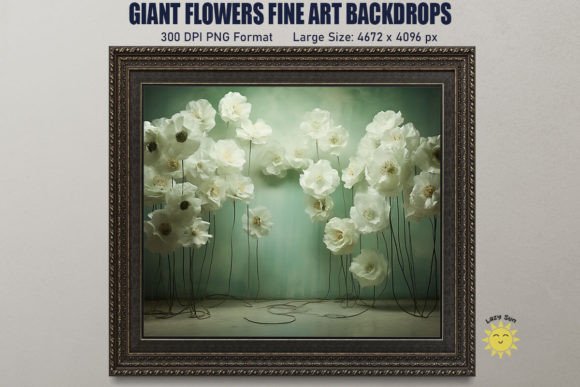
The immediate visual appeal of the Flowy Fabric Flower Digital Backdrop lies in its texture. Unlike rigid geometric patterns or stiff vector lines, this design mimics the organic movement of fabric petals. It creates a mood that is both romantic and grounded, perfect for brands that want to convey warmth and artisanal quality. For an Etsy seller or a small shop owner, this kind of aesthetic is gold. It doesn't just look like a pattern; it feels like a tactile experience even before the needle touches the cloth. This is exactly the kind of design asset that helps a boutique stand out in a crowded marketplace.
Real-World Application: From Screen to Stitch
To truly understand the value of this item, we have to move beyond the screen and imagine it on actual materials. Let's consider a specific scenario: preparing a custom embroidered tote bag for a holiday gift collection. The goal is to create a limited edition item that feels luxurious but remains practical for daily use. If I were to use the Flowy Fabric Flower Digital Backdrop as the primary motif on a canvas tote, the flowy nature of the petals would soften the ruggedness of the material, creating a beautiful contrast.
However, the real test isn't just about how it looks on a mockup; it is about how it holds up during production. In my experience with embroidery files, background textures can sometimes get lost if the stitch density is too low or if the thread colors lack sufficient contrast against the base fabric. With this backdrop, the intricate details of the petals suggest a high level of definition. When applied to a sweatshirt embroidery project, the soft edges would blend seamlessly with the fleece texture, avoiding the harsh "sticker" look that plagues poorly digitized designs.
I also envision this design being used for baby items. A baby embroidery project requires gentle, soothing visuals. The enchanted petal theme of the Flowy Fabric Flower Digital Backdrop fits perfectly here. Imagine a nursery pillow cover or a christening blanket where the floral elements are rendered in pastel threads. The design's ability to convey depth without overwhelming the viewer makes it ideal for products that need to be visually calming. It adds a layer of sophistication that parents and gift-givers appreciate, increasing the perceived value of the finished product.
Navigating Technical Challenges
While the artistic vision is strong, a professional review must address the technical realities of execution. There are specific areas where the Flowy Fabric Flower Digital Backdrop requires careful consideration. One of the most critical factors is the hoop size. Because the design features flowing, extended elements, attempting to stitch this on a small hoop could result in truncated details or excessive trimming. For a complete representation of the flower's personality, a larger hoop is necessary to capture the full sweep of the petals.
Another area of concern is fabric selection. While this design shines on stable fabrics like cotton twill or linen, it might struggle on highly textured or stretchy materials. If you are working on a custom apparel item made from thin jersey or a slippery satin, the tension required to hold the fine details of the petals could cause puckering. In such cases, using the proper stabilizer becomes non-negotiable. A heavy-duty cut-away stabilizer would likely be needed to support the weight of the fill stitches and prevent distortion.
Furthermore, the design's suitability for embroidered patches depends heavily on the complexity of the corners. If the petals extend too far into the border, cutting out the patch might leave jagged edges. Designers should evaluate whether the current layout allows for a clean finish or if minor adjustments to the digitization are required before sending it to the machine. Similarly, on dark fabrics, the contrast provided by standard thread colors might not be enough to make the flowy details pop. Testing a light-colored thread sample on a dark swatch is essential to ensure the design retains its clarity.
Strategic Use for Commercial Projects
For those selling digital embroidery files or offering commercial embroidery services, the versatility of this design is a major selling point. It bridges the gap between simple logos and complex pictorial art. You can use it as a standalone feature on a kitchen towel or as a subtle accent on a pillow cover. The key to success lies in managing customer expectations. When marketing these items, emphasize the artisanal feel of the design. Customers buying personalized gifts are often looking for uniqueness, and the organic shape of this backdrop delivers exactly that.
It is also worth noting how this design impacts brand consistency. If you run a craft business focused on home decor or fashion accessories, incorporating the Flowy Fabric Flower Digital Backdrop into your product line creates a cohesive visual identity. Whether it appears on a wedding gift set or a holiday ornament, the consistent use of this motif helps build recognition among your buyers. It signals that your finished product is thoughtfully designed rather than mass-produced.
Essential Designer Notes Before You Start
Before committing to a full production run, there are several practical steps every designer should take. First and foremost, always test the design on scrap fabric. This simple step reveals issues with stitch density and thread tension that might not be apparent in a digital preview. Check how the running stitch and satin stitch components interact, ensuring that the flowy sections do not bunch up.
Review the file specifications carefully. The product listing mentions PNG files and various overlays, but for embroidery, you need to know the exact format (DST, PES, etc.) and the recommended hoop size. If the details regarding the file structure are not explicitly clear, contact the creator to confirm compatibility with your machine. Additionally, inspect the small details closely. Sometimes, tiny petal tips can become indistinct if the fill stitch direction is not optimized. Comparing the design in black and white mockups can help you visualize how the shadows and highlights will translate into thread.
Finally, verify the licensing terms. If you plan to sell printable mockups or use the design in digital product previews, ensure you have the right to do so. Confirm whether the license covers commercial use for small business merchandise or if it is restricted to personal projects. Understanding these boundaries protects your creative entrepreneur status and prevents legal headaches down the road.
In conclusion, the Flowy Fabric Flower Digital Backdrop is more than just a pretty image; it is a functional tool for designers who understand the nuances of textile art. When approached with the right technical preparation and creative strategy, it can transform a standard embroidery project into a standout piece. Whether you are crafting a holiday gift for a loved one or building a robust catalog for your online store, this design offers the flexibility and beauty needed to succeed in today's competitive market. Just remember to respect the fabric, choose the right tools, and let the flowy nature of the design guide your creative process.